
Author: mealbymealblog

  • Trying Intuitive Eating? Here’s an App That Actually Helps

    Trying Intuitive Eating? Here’s an App That Actually Helps

    I bet you’ve been told a million times that dieting doesn’t work. But then what? Enter intuitive eating apps – digital tools designed to help you ditch the diet mentality and actually start listening to your body.

    Instead of counting every calorie like you’re doing your taxes, these apps help you tune into hunger cues, fullness signals, and how foods actually make you feel. Revolutionary concept, right?

    Let’s dive into the best intuitive eating apps out there, so you can find one that helps you build a healthier relationship with food without making you want to throw your phone across the room.

    eating meme

    The Best Intuitive Eating Apps That Won’t Make You Hate Food

    MyTummy: The OG Intuitive Eating App

    the funniest illustration

    If you’re looking for an app that was actually built for intuitive eating (not just a diet app in disguise), MyTummy is your new best friend.

    What makes it awesome:

    • Zero calorie counting (hallelujah!)
    • Tracks how foods make you feel, not just what you eat
    • Lets you label meals however you want
    • Has a cool digestion timer feature
    • Includes a judgment-free daily journal

    The best part? While there’s a premium version, you can get lifetime access for just $5. That’s less than that smoothie you bought yesterday.

    MyTummy is perfect if you:

    • Get anxious about food choices
    • Struggle with emotional eating
    • Are recovering from diet culture
    • Want to actually enjoy eating again

    According to actual research on intuitive eating, people who follow this approach have better psychological health and improved body image. Not too shabby!

    Mindful Eating Apps With The Whole Package

    If you want something a bit more comprehensive, apps like Mindea combine intuitive eating principles with some extra bells and whistles.

    These apps typically offer:

    • Guided meditations (for when you’re stressing about that cookie)
    • Mindfulness exercises specifically for eating
    • Personalized tips based on your patterns
    • Progress tracking that has nothing to do with weight

    Think of these as your personal mindfulness coach who also happens to be really into food psychology.

    The downside? Some require subscriptions, and you might need to wade through features you don’t need. But the supportive communities can be worth it if you’re the type who thrives with a little cheerleading.

    Ate Food Journal & Healthie: For The Visual Learners

    Ate Food Journal takes a different approach by focusing on the why and how of eating rather than the what. It’s like having a therapist in your pocket asking “and how did that sandwich make you feel?”

    Instead of logging calories, you:

    • Take photos of your meals
    • Record why you’re eating (hunger, boredom, social pressure)
    • Note how the eating experience felt
    • Track patterns without judgment

    Healthie is another solid option, especially if you’re working with a nutritionist or health coach. It lets you:

    • Track hunger and fullness on customizable scales
    • Keep a visual food journal
    • Set non-weight-related goals
    • Integrate movement and lifestyle factors

    According to nutrition professionals, visual food journals can significantly increase awareness without triggering the obsessive behaviors that come with calorie counting.

    Traditional Tracking Apps (Use With Caution)

    the funniest illustration

    Look, sometimes you want a bit more structure or have specific health reasons to track certain nutrients. Apps like Cronometer offer detailed nutrient tracking that can complement intuitive eating if used mindfully.

    Cronometer stands out because:

    • It focuses on nutrients, not just calories
    • Tracks micronutrients that actually matter for health
    • Integrates with fitness trackers
    • Lets you set personalized goals beyond weight

    Just remember: if you find yourself getting obsessive or anxious about the numbers, it might be time to take a step back. The whole point of intuitive eating is breaking free from that mental food prison.

    As one study in the Journal of Nutrition Education and Behavior found, combining mindful eating with selective nutrition awareness led to more sustainable behavior changes than strict tracking alone.

    MealByMeal: For The Texting Generation

    the funniest illustration

    If you’re the type who’d rather text than tap through an app interface, MealByMeal.com offers something different. You literally just text your meals and get tracking information back.

    Why this might work for you:

    • Crazy simple – just text what you ate
    • Automatically calculates nutrition info
    • Less screen time (we all need that)
    • Feels more like texting a friend than using an app

    While it does track calories and macros, the low-friction approach means you’re less likely to get obsessive about it. It’s like having a casual relationship with tracking instead of a committed one.

    What Makes A Good Intuitive Eating App?

    Not all apps are created equal. The best ones help you:

    Listen To Your Body’s Signals

    • Hunger and fullness scales that help you recognize when you’re actually hungry versus bored/sad/procrastinating
    • Features that encourage eating when hungry and stopping when satisfied
    • Tools to break free from restrictive eating cycles

    Build Emotional Awareness

    • Mood tracking to identify emotional eating triggers
    • Guided meditations for food-related stress
    • Journaling prompts that encourage self-compassion

    Track Without Judgment

    • No “good” or “bad” food labels
    • Customizable categories that work for YOU
    • Focus on how foods make you feel, not their calorie content

    Learn and Grow

    • Educational content about nutrition without diet culture BS
    • Community support from people on the same journey
    • Regular reminders that your worth isn’t tied to your eating habits

    Research shows that these features help people maintain a healthier relationship with food long-term, unlike restrictive diet approaches that typically fail within 1-5 years.

    How To Choose The Right App For You

    the funniest illustration

    Here’s how to pick the app that won’t end up deleted after three days:

    If you want a dedicated intuitive eating experience without diet culture nonsense, go with MyTummy.

    If you need more guidance and education, try Mindea or Ate Food Journal.

    If you’re working with a professional or want more comprehensive tracking, Healthier might be your best bet.

    If you want minimal hassle with some nutritional insights, MealByMeal’s texting approach could be perfect.

    And if you need some nutrient tracking for specific health reasons but don’t want to go full diet-mode, Cronometer used mindfully might work.

    The truth is, finding an app that works for you is kind of like dating – you might need to try a few before you find “the one.” Just make sure whatever you choose makes you feel better about food, not worse.

    Remember, the goal isn’t perfect eating – it’s peaceful eating. And no app can give you that if you’re not ready to challenge your existing food beliefs. But they can definitely help you along the way.

  • High-Protein Diet? This App Tracks It All For You

    High-Protein Diet? This App Tracks It All For You

    Ever wondered how to track all that chicken breast you’re eating?

    If you’re on a high-protein diet, tracking your food intake is crucial for success. But with so many apps claiming to be the best macro tracker, how do you choose?

    I’ve researched the top nutrition tracking apps of 2025 to find the ones that make protein tracking simple, accurate, and dare I say… enjoyable?

    Let’s dive into the best apps for keeping tabs on your protein goals (and yes, I’ll tell you which one I actually use).

    diet meme

    The Best Apps for Tracking Your High-Protein Diet

    1. MyFitnessPal – The OG Food Tracker

    the fat human

    MyFitnessPal is like the grandpa of nutrition apps – it’s been around forever (with over 250 million downloads!) but still knows what’s up.

    Key benefits for protein tracking:

    • Massive food database with 18+ million foods including restaurant items
    • Fully customizable macro targets so you can prioritize protein
    • Create and save recipes for your protein-packed meals
    • Connects with 35+ fitness apps to track your workouts too
    • Community forums to keep you motivated when protein fatigue hits

    The downside? The free version is pretty limited these days. Many features (like the barcode scanner) are now premium only. And since users can add foods, you’ll sometimes find weird nutrition entries (like a chicken breast with 900 calories… umm, no).

    2. Cronometer – For The Nutrition Nerds

    If you’re the type who wants to know the zinc content of your tuna (no judgment), Cronometer is your app.

    Why protein enthusiasts love it:

    • Tracks amino acid profiles (yes, really) and micronutrients
    • Food database is verified for accuracy – no random user entries
    • Clean interface without annoying social features
    • Free version is actually useful (unlike some other apps…)
    • Syncs with Garmin, Apple Health, FitBit, and more

    I’ve used Cronometer for years, and it’s great for serious nutrition tracking without the fluff. The database is smaller than MyFitnessPal’s but way more accurate.

    3. MacroFactor – The Smart Kid on the Block

    For those of you hitting the gym hard while tracking protein, MacroFactor uses AI to adjust your macros based on your progress. Pretty cool, right?

    Highlights:

    • Dynamic macro adjustments based on your weight, activity, and goals
    • Perfect for people who lift weights and need precise nutrition
    • Less cluttered than other apps
    • Science-based approach (created by evidence-based fitness experts)

    The downside is there’s no free version, but serious lifters seem to think it’s worth every penny.

    4. Lose It! – The Beginner-Friendly Option

    the fat human

    If you’re new to macro tracking, Lose It! makes it simple to start logging your protein intake.

    Features:

    • Smart camera feature to analyze meal photos
    • User-friendly interface that doesn’t overwhelm
    • Decent barcode scanner
    • Syncs with fitness devices

    While it’s more focused on weight loss than performance, you can still set custom macro goals to track your protein.

    5. MealByMeal – For People Who Hate Logging

    Let’s be honest – the worst part of tracking nutrition is the tedious food logging. MealByMeal solves this by letting you text your meals instead of entering them manually.

    Why it’s different:

    • Just text what you eat – no app navigation required
    • Tracks calories and macros (including protein) automatically
    • Provides personalized feedback
    • Perfect for busy people who can’t be bothered with traditional logging

    If you’ve tried tracking before and quit because it was too time-consuming, this might be your solution.

    6. Other Solid Options

    • Eat This Much: Automatically generates meal plans based on your protein targets
    • Carb Manager: Great if your high-protein diet is also low-carb or keto
    • Lifesum: Good for balanced diets with high protein focus

    What Makes a Good Protein-Tracking App?

    the fat human

    When choosing an app to track your protein intake, look for:

    • Customizable macro targets – can you set specific protein goals?
    • Comprehensive food database – are your favorite protein sources in there?
    • Barcode scanning – for quick logging of protein bars, supplements, etc.
    • Recipe creation – to save your protein-packed meals
    • Integration with fitness apps – to see the full picture of your health
    • User-friendly interface – because you won’t use it if it’s annoying

    Final Thoughts: Which App Should You Choose?

    the fat human

    After reviewing all these options, MyFitnessPal and Cronometer stand out as the two best all-around apps for tracking a high-protein diet.

    • Choose MyFitnessPal if you want the biggest food database and don’t mind some inaccuracies
    • Go with Cronometer if you prefer accuracy over quantity and like seeing detailed nutrient breakdowns
    • Try MealByMeal if traditional logging feels like too much work (learn more at mealbymeal.com)
    • Consider MacroFactor if you’re serious about strength training and want evidence-based adjustments

    Remember, the best app is the one you’ll actually use consistently. Don’t get caught up in features you don’t need – find something that fits your lifestyle and protein goals.

    Now if you’ll excuse me, I need to go log the protein shake I just drank.

  • How Much Protein Is in 1 Cup of Tempeh?

    How Much Protein Is in 1 Cup of Tempeh?

    Ever wondered how much protein is actually in that weird-looking soy block your vegan friend keeps raving about?

    Turns out, tempeh is a protein powerhouse with a whopping 30-31 grams of protein per cup. That’s about the same as a chicken breast, but with some extra plant-based perks thrown in.

    I’ll break down everything you need to know about this fermented soybean cake (yum?), from its nutritional profile to how it stacks up against other protein sources – and why you might want to give this funky food a try.

    https://i.imgflip.com/94o7q8.jpg

    Tempeh: The Protein-Packed Plant Food You’re Probably Ignoring

    Let’s get right to it – tempeh is a dense, cake-like food made from fermented soybeans. It’s got a nutty, earthy flavor and a surprisingly meaty texture that makes it popular with the plant-based crowd.

    But even if you’re a dedicated meat-eater, tempeh deserves your attention. Here’s why.

    The Protein Numbers That’ll Make You Do a Double Take

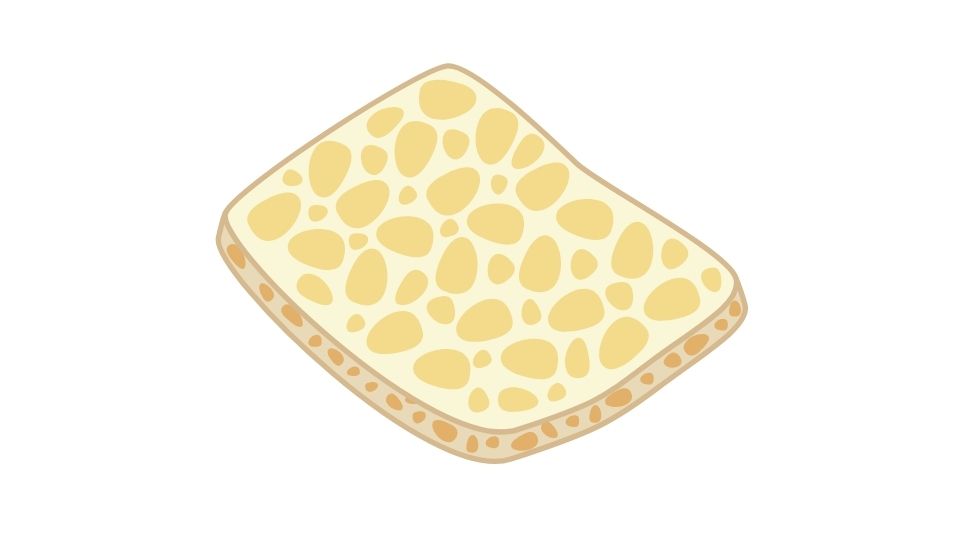
    tempeh illustration

    One cup of tempeh (about 166 grams) delivers:

    • 30-31 grams of protein (seriously!)
    • About 320 calories
    • 17-18 grams of fat (mostly the good kind)
    • 15.5 grams of carbs
    • 7 grams of fiber

    For comparison, a 3-ounce serving (about 85 grams) gives you around 15-18 grams of protein. That’s nearly double what you’d get from the same amount of tofu!

    To put it in perspective, tempeh’s protein content rivals animal sources – a cup of tempeh has roughly the same protein as a 4-ounce chicken breast, but with a completely different nutrient package.

    Why Tempeh Deserves a Spot in Your Protein Rotation

    Tempeh isn’t just about the protein numbers. It’s got some serious nutritional street cred:

    It’s a Complete Protein

    Unlike many plant foods, tempeh contains all nine essential amino acids your body can’t make on its own. This makes it a complete protein source that supports muscle building, immune function, and overall health.

    It’s Loaded With Nutrients

    One cup delivers:

    • Calcium: ~184 mg (for strong bones)
    • Iron: ~4.5 mg (oxygen transport, energy)
    • Magnesium: 134 mg (muscle function, sleep)
    • Potassium: 684 mg (heart health, blood pressure)
    • B vitamins for energy and brain health

    It’s Gut-Friendly

    The fermentation process that creates tempeh produces beneficial probiotics that support digestive health. Plus, unlike many other protein sources, tempeh contains significant fiber (about 7 grams per cup) to keep things moving.

    It’s Heart-Healthy

    Tempeh contains zero cholesterol and is naturally low in sodium (just 15 mg per cup). It also contains isoflavones, plant compounds that may help reduce inflammation and support heart health.

    How Tempeh Stacks Up Against Other Protein Sources

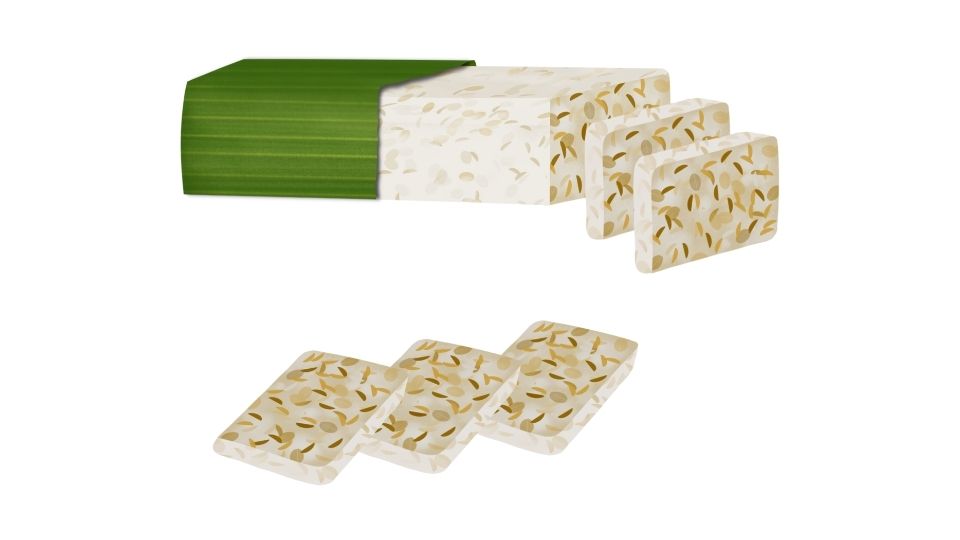
    tempeh illustration

    Tempeh vs. Tofu

    • Protein: Tempeh wins big with nearly double the protein (16g vs 8g per 3oz)
    • Texture: Tempeh is firmer and meatier; tofu is softer and more versatile
    • Flavor: Tempeh has a stronger, nuttier taste; tofu is milder and takes on flavors
    • Nutrients: Tempeh typically has more fiber and iron; tofu often has more calcium

    Tempeh vs. Meat

    • Protein: Comparable to lean meats (cup for cup)
    • Fiber: Tempeh has it; meat doesn’t
    • Fat profile: Tempeh has healthier fats and zero cholesterol
    • Environmental impact: Plant proteins like tempeh have a significantly lower carbon footprint

    Tempeh vs. Other Plant Proteins

    • Beans/lentils: Tempeh has more protein per serving and is a complete protein
    • Seitan: Seitan has slightly more protein but lacks the fiber and nutrient diversity
    • Protein powders: Tempeh offers whole food benefits that processed powders can’t match

    How to Actually Eat This Stuff

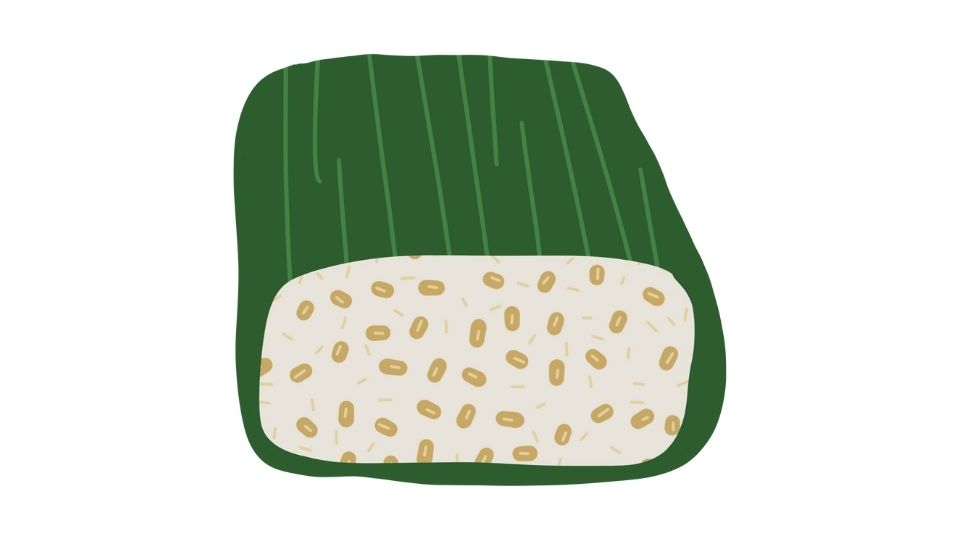
    tempeh illustration

    Tempeh’s firm texture and ability to absorb flavors makes it incredibly versatile:

    • Slice it for sandwiches and wraps
    • Crumble it for tacos, pasta sauce, or chili
    • Cube it for stir-fries and salads
    • Marinate it in soy sauce, maple syrup, and spices before cooking for the best flavor

    Pro tip: Steaming tempeh for 10 minutes before cooking can remove any bitterness and help it absorb marinades better.

    The Bottom Line on Tempeh

    tempeh illustration

    With 31 grams of protein per cup, tempeh is legitimately one of the most protein-rich plant foods available. But what makes it truly special is the complete package: complete protein, fiber, probiotics, and essential nutrients without the cholesterol or high saturated fat of many animal proteins.

    Whether you’re looking to reduce your meat consumption, boost your protein intake, or just try something new, tempeh offers a nutritional profile that’s hard to beat.

    And for those tracking their nutrition (who isn’t these days?), adding tempeh to your meal rotation gives you a protein-packed option that supports muscle building while delivering a host of other health benefits.

    So next time you’re wandering the health food section of your grocery store, maybe give that weird-looking soy block a chance. Your muscles (and gut) might thank you.

  • Protein in 1 Cup of Cottage Cheese: What to Expect

    Protein in 1 Cup of Cottage Cheese: What to Expect

    Protein powerhouse? One cup of cottage cheese packs a serious 24-28 grams of protein per serving. That’s about the same as eating a small chicken breast, but in creamy, spoonable form.

    Most low-fat cottage cheese (the 1-2% kind) delivers around 25 grams of protein per cup, making it one of the most protein-dense foods in the dairy aisle.

    But what makes cottage cheese protein so special? And why do fitness folks and grandmas alike swear by this lumpy white stuff?

    Let’s break down the science and benefits of cottage cheese protein – and why it might deserve a spot in your fridge.

    cheese

    Cottage Cheese Protein: By The Numbers

    Let’s get nerdy for a second with the full nutritional breakdown of what you’re getting in that cup of cottage cheese:

    NutrientAmountThe Scoop
    Protein24-28gMostly slow-digesting casein protein
    Calories180-190Relatively low-calorie for the protein punch
    Fat2-5.5gDepends if you go low-fat or full-fat
    Carbs~6gMainly from lactose (milk sugar)
    Sodium400-700mgWatch out if you’re monitoring salt intake
    Calcium10-15% DVGood for your bones! 🦴

    Why Cottage Cheese Protein Content Varies

    cheese cartoon

    Ever notice different protein amounts on different cottage cheese containers? You’re not imagining things.

    Fat percentage matters. Lower-fat versions typically have similar or slightly higher protein per cup. A 1% cottage cheese might have around 25g protein, while the full-fat (4%) version has 26-27g, but with more calories and fat.

    Brand differences can also affect protein content. Some companies make a more protein-dense product than others.

    Serving sizes can trick you. Many nutrition labels show a ½ cup serving (about 113g) with roughly 12g protein. Double that for a full cup and you get 24+ grams.

    The Quality Factor: Not All Protein Is Created Equal

    cheese cartoon

    The protein in cottage cheese is mainly casein protein – about 80% of the total protein content. Unlike whey protein (which digests quickly), casein is a slow-digesting protein that provides a steady release of amino acids.

    This makes cottage cheese especially valuable as a:

    • Pre-bed snack (sustained overnight protein delivery)
    • Between-meal option (keeps you fuller longer)
    • Recovery food (continues feeding muscles hours after eating)

    Plus, cottage cheese contains all nine essential amino acids, making it a complete protein source that your body can fully utilize for muscle building and repair.

    Health Benefits Beyond Just Protein

    cheese cartoon

    Cottage cheese doesn’t just help your muscles – it’s got benefits for your whole body:

    Muscle maintenance & growth
    The slow-releasing casein protein in cottage cheese helps with muscle repair and prevents breakdown. This is particularly important for older adults fighting age-related muscle loss.

    Weight management helper
    With about 70% of its calories coming from protein and that slow digestion profile, cottage cheese helps you feel full longer. Studies show high-protein foods like cottage cheese can reduce hunger and help control calorie intake.

    Bone strength support
    Alongside protein, cottage cheese delivers calcium, phosphorus, and sometimes vitamin D – the trifecta for bone health.

    Steady energy
    The combination of protein and some carbs provides sustained energy without blood sugar spikes.

    Creative Ways To Enjoy Cottage Cheese

    Let’s be honest – plain cottage cheese isn’t winning any flavor contests. But it’s incredibly versatile:

    • Mix with fresh fruit and a drizzle of honey
    • Blend into smoothies for a protein boost
    • Use as a creamy base for savory dips
    • Top with Everything Bagel seasoning and sliced tomatoes
    • Swap for ricotta in lasagna or stuffed shells
    • Blend until smooth as a protein-rich cream cheese alternative

    Important Considerations (The Fine Print)

    Sodium content – Most cottage cheese contains 400-700mg sodium per cup. If you’re watching your salt intake, look for low-sodium varieties.

    Lactose alert – Those with lactose intolerance might need to proceed with caution or try lactose-free versions.

    Processing matters – Some brands add stabilizers and preservatives. If that concerns you, check ingredients lists for simpler options.

    Tracking Cottage Cheese In Your Diet

    cheese cartoon

    If you’re counting macros or tracking calories, cottage cheese is a nutritional bargain. For about 180 calories per cup, you’re getting a whopping 25g protein.

    That’s a protein-to-calorie ratio that beats most other foods!

    For accurate tracking, always check your specific brand’s nutrition label, as protein content can vary. You can also use reliable food tracking apps to keep tabs on your cottage cheese consumption.

    Whether you’re a fitness enthusiast looking to build muscle, someone trying to lose weight, or just wanting more protein in your diet, cottage cheese deserves serious consideration.

    With its impressive 24-28g protein per cup, slow-digesting properties, and versatility, it’s truly a nutritional powerhouse that’s stood the test of tim

    And while protein powders and fancy supplements come and go, humble cottage cheese has been quietly delivering quality nutrition for generations. Sometimes the best protein sources are the simplest ones!

  • How to Transition Away from Strict Food Tracking

    How to Transition Away from Strict Food Tracking

    Looking to break up with your calorie counting app? Let me tell you – it’s not you, it’s them.

    Obsessively tracking every bite might have seemed like a good idea at first, but for many people, it turns into a toxic relationship with food that does more harm than good.

    The digital food diary that was supposed to help you can actually lead to some seriously messed up eating habits.

    Let’s talk about how to ditch the tracking addiction while still eating like a reasonably healthy human being.

    And don’t worry – this isn’t about throwing all nutrition awareness out the window. It’s about finding freedom while still making smart choices.

    money meme

    Breaking Up With Your Food Tracking App (Without Completely Losing Your Way)

    If you’ve ever found yourself hesitating to eat something because “I don’t know the exact macros” or declining social invitations because “I can’t track what’s in that restaurant food,” this guide is for you.

    Studies show over 70% of MyFitnessPal users report the app negatively affected their eating behaviors. Not exactly a glowing review, is it?

    Plus, those food labels you’re meticulously logging? They can be off by up to 20%. And calories in natural foods like fruits vary wildly depending on ripeness, season, and variety. So all that precision you think you’re achieving? It’s kind of an illusion.

    Practical Steps to Free Yourself From Food Tracking Hell

    foodies health

    1. Dump the digital ball and chain

    First things first – delete those tracking apps from your phone. Seriously. Do it right now. I’ll wait.

    Also, hide the food scale in a cabinet (or better yet, give it to a friend who bakes). These tools feed the obsession cycle, and the first step to recovery is removing the triggers.

    If going cold turkey feels too extreme, try a stepped approach:

    • Skip tracking on weekends
    • Only track dinner
    • Track every other day

    The goal is to gradually expand the time you spend eating intuitively rather than by the numbers.

    2. Focus on food quality instead of calorie quantity

    Instead of asking “how many calories does this have?” start asking “what nutrients does this provide?

    This mental shift is huge. Prioritize whole, minimally processed foods that are rich in fiber and nutrients:

    • Vegetables in all colors
    • Fruits (yes, even the ones with sugar!)
    • Nuts and seeds
    • Legumes
    • Whole grains

    Did you know eating a diverse range of plant foods (like 30 different types weekly) improves your gut microbiome health? This supports better weight management naturally, without a single calorie being counted.

    3. Practice mindful eating (aka put down your phone)

    How often do you eat while scrolling, watching TV, or working? If you’re like most people, the answer is “all the time.”

    This distracted eating makes it nearly impossible to hear your body’s natural hunger and fullness signals. Try this instead:

    • Eat without screens
    • Notice hunger before you start eating
    • Pay attention to how the food tastes
    • Check in with your fullness halfway through
    • Stop when satisfied, not stuffed

    One study from Harvard found that mindful eating practices can reduce binge eating episodes and emotional eating tendencies.

    4. Ignore calorie labels (or cover them up)

    Those calorie counts on menus and packaging? They’re not your friend. They pull your focus away from how food makes you feel and back toward numbers.

    Try these tactics:

    • Cover nutrition labels with stickers
    • Request menus without calorie counts (many restaurants have them)
    • Focus on ingredients lists instead

    5. Choose foods that fill you up naturally

    Foods high in water and fiber content are naturally more filling while being lower in calories. This means you’ll feel satisfied without having to obsessively count:

    • Soups and stews
    • Most vegetables
    • Berries
    • Oatmeal

    Research from Penn State shows that starting meals with water-rich foods like salads can reduce overall calorie intake by up to 20% without any tracking required.

    6. Adopt the 80/20 rule

    Instead of the all-or-nothing mentality that tracking encourages, aim for balance:

    • 80% nutritious whole foods
    • 20% whatever the heck you want

    This reduces the mental stress of perfect tracking while still supporting good health. It’s sustainable because it doesn’t make you feel deprived.

    What About MealByMeal?

    foodies health

    If you’re not ready to completely give up tracking but want something less obsessive, MealByMeal offers a unique middle ground. Instead of manually logging every ingredient, you just text your meals and the app handles the calculations.

    This can be a helpful transition tool because:

    • It’s less disruptive to your life
    • You don’t have to break out a food scale at restaurants
    • It works with your natural eating patterns
    • You can use it periodically rather than obsessively

    You might start by using it just a few times a week while learning to trust your body’s signals the rest of the time.

    Extra Tips For Breaking Free

    foodies health
    • Cook more at home: When you prepare meals yourself, you naturally develop better awareness of what you’re eating without having to track every gram. Plus, home-cooked meals tend to have fewer calories and more nutrients than restaurant food.

    • Prioritize protein at each meal: Protein promotes fullness and helps maintain muscle, which supports weight management without obsessive tracking. Aim for some protein source with each meal.

    • Cut back on liquid calories: Sugary drinks, alcohol, and fancy coffee drinks can add hundreds of calories that don’t even register on your fullness radar. Reducing these is an easy win without tracking.

    • Get professional support if needed: If your relationship with tracking has veered into disordered eating territory, don’t hesitate to talk to a registered dietitian or therapist, ideally one who practices Health At Every Size (HAES) principles.

    The Bottom Line

    foodies health

    Breaking up with food tracking doesn’t mean abandoning all nutritional awareness. It means shifting from external numbers to internal wisdom.

    Think of it as graduating from training wheels. Those calorie tracking apps might have taught you some basics, but now it’s time to ride freely, trusting your body’s signals and your knowledge of nutrition fundamentals.

    The goal isn’t perfection – it’s freedom combined with awareness. It’s enjoying birthday cake without logging it. It’s eating when hungry and stopping when full. It’s choosing foods that make your body feel good without punching numbers into an app.

    And remember – if you want a gentler approach to tracking during this transition, MealByMeal’s text-based system can help you maintain some structure without the obsession.

    Your relationship with food should nourish you – not just physically, but mentally too.