
Category: health

  • Top App for Tracking Meals and Water in One Place

    Top App for Tracking Meals and Water in One Place

    Ever feel like you’re drowning in a sea of health apps?

    I get it. The wellness tech landscape is overwhelming. But here’s the thing – tracking what goes into your body is actually one of the most powerful things you can do for your health.

    Let’s dive into the world of meal and water tracking apps that are actually worth your time in 2025 (without turning your phone into a notification nightmare).

    drinking water meme

    Why Track Your Meals and Water Anyway?

    Let’s be honest – most of us have no idea how much we’re actually eating or drinking throughout the day.

    That salad? “Healthy” but possibly 1000+ calories with that dressing.
    That one glass of water? Probably not enough for your entire morning.

    Tracking helps you see the reality of your nutrition and hydration, not the story you tell yourself. And what gets measured gets managed.

    The benefits are pretty clear:

    • Awareness of actual calorie intake (eye-opening for most people)
    • Better understanding of your macronutrient balance (proteins, fats, carbs)
    • Consistent hydration supporting everything from brain function to metabolism
    • Data to make meaningful adjustments to your diet

    Top Features That Make Tracking Apps Actually Useful
    water illustration

    1. Calorie and Macro Breakdown

    The best apps don’t just count calories – they show you the nutritional composition of what you’re eating. This is crucial if you’re trying to hit specific protein goals or balance your diet.

    2. Smart Water Goals That Adjust to YOU

    One-size-fits-all hydration recommendations are useless. The top water apps consider your:

    • Body weight
    • Activity level
    • Local climate
    • Sex
    • Even gender identity options in some apps

    3. Intelligent Reminders (That Don’t Drive You Crazy)

    Good reminder systems help you build habits without bombarding you. Look for apps with:

    • Customizable alert frequency
    • Bedtime modes (nobody needs a water reminder at 2am)
    • Smart notifications that adapt to your behavior

    4. Seamless Health Platform Integration

    Apps that connect with Apple Health, Google Fit, or your fitness tracker create a more complete picture of your health. This integration means your water and nutrition data shows up alongside your steps, workouts, and sleep.

    The Water Tracking Champions of 2025

    WaterMinder is basically the hydration MVP. It gives you:

    • Custom water targets based on your stats
    • Quick-add options with your favorite containers
    • Apple Watch integration (game-changer)
    • Visual progress tracking that’s actually satisfying
    • Both free and premium options

    Waterllama makes hydration fun with:

    • Adorable llama characters that evolve as you hit goals
    • Challenges to keep things interesting
    • Clean, playful interface that doesn’t feel clinical

    Drink Water Reminder keeps it simple with:

    • Basic reminders that get the job done
    • Straightforward logging without the fluff
    • Achievement badges that surprisingly work as motivation

    Meal Tracking Apps That Don’t Suck Your Soul

    water illustration

    MealByMeal takes a totally different approach by letting you text your meals instead of opening an app and scrolling through endless food databases. This is genius for:

    • People who hate traditional food logging
    • Those who want to track without disrupting their day
    • Anyone who’s given up on other apps because they’re too much work

    MyNetDiary offers the most comprehensive food database with:

    • Free barcode scanning that actually works
    • AI meal scanning that identifies foods from photos
    • Detailed nutrient breakdowns beyond just macros

    Lose It! dominates the weight loss space with:

    • Photo recognition technology that identifies foods from a quick snap
    • Weight trends that show the bigger picture
    • Community features for accountability

    Ate Food Diary takes a more holistic approach by:

    • Focusing on how food makes you feel, not just calories
    • Integrating photos with your logs
    • Creating connections between meals and other health metrics

    How To Pick The Right App (Without Downloading 10 Different Ones)

    water illustration

    Ask yourself these questions:

    1. Do you primarily need water tracking, meal tracking, or both?
    2. How much effort are you willing to put into logging?
    3. Do you want detailed nutrition analysis or just the basics?
    4. Are you motivated by visual progress, challenges, or simplicity?

    Here’s a quick breakdown of what each app does best:

    AppBest ForStandout FeatureIntegration
    WaterMinderSerious hydration trackingCustomizable containersApple Health, Watch
    WaterllamaMaking hydration funPlayful characters & challengesApple Health
    MealByMealLow-effort nutrition trackingText-based meal loggingN/A
    MyNetDiaryComprehensive nutrition analysisMassive food databaseApple Health
    Lose It!Weight loss focusPhoto food recognitionApple Health
    Ate Food DiaryMindful eatingMood & feeling trackingApple Health

    Pro Tips For Actually Sticking With It

    The best app is the one you’ll actually use. Here’s how to make tracking stick:

    • Start with just water OR food tracking, not both at once
    • Use reminders strategically during specific times you tend to forget
    • Take advantage of quick-add features like barcode scanning or text logging
    • Look for patterns over weeks, not just daily numbers
    • Connect with friends using the same app if you thrive on accountability

    The easiest way to fail is trying to track everything perfectly from day one. Start small, build the habit, then expand.

    The Bottom Line
    water illustration

    The perfect tracking system balances accuracy with convenience. If it’s too complicated, you’ll quit. If it’s too basic, you won’t get useful data.

    For most people, combining a dedicated water app like WaterMinder with a low-friction food tracking system like MealByMeal creates the ideal balance.

    Remember – these apps are tools, not judges. Use them to gather information about yourself, make adjustments that work for your life, and build sustainable habits.

    The goal isn’t perfect tracking. The goal is better awareness that leads to better decisions. And sometimes, that starts with just knowing how much water you’ve actually had today.

  • How Many Grams of Protein Are in a Pound of Ground Beef?

    How Many Grams of Protein Are in a Pound of Ground Beef?

    Ever wondered how much protein is actually in that pack of ground beef sitting in your fridge?

    I did too. So I dug into the research to figure out exactly how much muscle-building goodness is in each pound of ground beef, how cooking affects it, and what else you’re getting besides just protein.

    Spoiler alert: it’s A LOT of protein. And the leaner the beef, the more protein you get.

    Let’s break it down.

    ground beef

    How Much Protein Is In A Pound Of Ground Beef?

    A pound of raw ground beef contains roughly 77 to 84 grams of protein depending on how lean it is.

    That’s equivalent to:

    • About 13 eggs
    • 3 large chicken breasts
    • 11 slices of cheese

    The protein content varies based on the fat percentage:

    • 80/20 ground beef (80% lean, 20% fat): ~78 grams protein per pound
    • 85/15 ground beef: ~84 grams protein per pound
    • 90/10 ground beef: Even higher protein content

    Why the difference? The more fat in your beef, the less protein you’re getting per pound. Fat literally displaces protein by weight.

    What Happens To Protein When You Cook Ground Beef?

    ground beef

    When you cook ground beef, something interesting happens.

    The water and fat content decreases (it shrinks), but the protein amount stays almost the same. This means cooked ground beef actually has a higher concentration of protein per ounce than raw beef.

    That’s why a 4-ounce cooked serving typically delivers 20-25 grams of protein – perfect for hitting your daily protein goals.

    Some people worry that cooking destroys protein, but research shows the protein loss from cooking is minimal. Most of what drips away in the pan is water and fat, not precious protein.

    Protein Content By Beef Type

    Here’s a quick reference guide for how much protein you’re getting in different types of ground beef:

    Ground Beef TypeFat %Protein per Pound (raw)Protein per 4 oz (cooked)
    80/20 ground beef20%~78g~20g
    85/15 ground beef15%~84g~21g
    90/10 ground beef10%Higher than 85/15~23g
    96% lean grass-fed4%Highest~25g

    Fun fact: Grass-fed beef often has a slightly different nutrient profile than conventional beef, with potentially more omega-3 fatty acids and other beneficial compounds.

    Beyond Protein: What Else Is In Your Ground Beef?

    ground beef

    Ground beef isn’t just a protein powerhouse – it’s packed with other essential nutrients:

    Vitamins

    • Vitamin B12: Crucial for nerve function and energy
    • Niacin: Supports metabolism and cell function
    • Riboflavin: Important for growth and red blood cell production

    Minerals

    • Iron: Essential for oxygen transport (and it’s the highly absorbable heme-iron)
    • Zinc: Critical for immune function and wound healing
    • Selenium: Acts as an antioxidant in the body

    Other Nutrients

    • Creatine: Helps supply energy to cells, especially muscles
    • Carnosine: An antioxidant that helps muscle function
    • Conjugated Linoleic Acid (CLA): A fatty acid with potential health benefits

    Using This Information For Your Diet

    ground beef

    Now that you know how much protein is in ground beef, how can you use this info?

    If you’re trying to build muscle, a 4-ounce serving of cooked ground beef gives you a solid 20-25g protein dose – perfect for a post-workout meal.

    If you’re on a high-protein diet for weight loss, leaner beef (90/10 or 93/7) will give you more protein per calorie.

    For general health, beef provides complete protein with all essential amino acids your body needs but can’t make on its own.

    Tracking protein intake is easier than ever with tools like meal tracking apps. These let you log what you eat and automatically calculate your protein, fat, and carb intake – no math required! Just text what you eat and the tracking happens automatically.

    The Bottom Line On Beef Protein

    ground beef
    • A pound of raw ground beef packs 77-84g of protein depending on how lean it is
    • Cooking concentrates the protein (water and fat cook out)
    • A 4-ounce cooked serving provides roughly 20-25g protein
    • Leaner beef = more protein per ounce
    • You’re also getting important vitamins, minerals, and other nutrients

    So next time you’re making burger patties, tacos, or bolognese sauce, you can feel good knowing you’re loading up on high-quality protein that delivers all the essential amino acids your body needs.

    And if you’re tracking your protein intake, now you know exactly what to log.

  • How Much Protein Is in a Pound of Salmon? (Wild vs Farmed)

    How Much Protein Is in a Pound of Salmon? (Wild vs Farmed)

    Ever wondered how much protein is actually in that beautiful slab of salmon you just bought?

    Spoiler alert: a pound of salmon (that’s about 454 grams) packs a serious protein punch – we’re talking 100 to 115 grams of protein. But the exact amount depends on whether you’re eating wild-caught or farmed salmon, and how you cook it.

    Let’s dive deeper into the salmon protein world. Grab your fork! 🍴

    salmon meme

    How Much Protein Is Actually in a Pound of Salmon?

    Wild vs. Farmed: The Protein Showdown

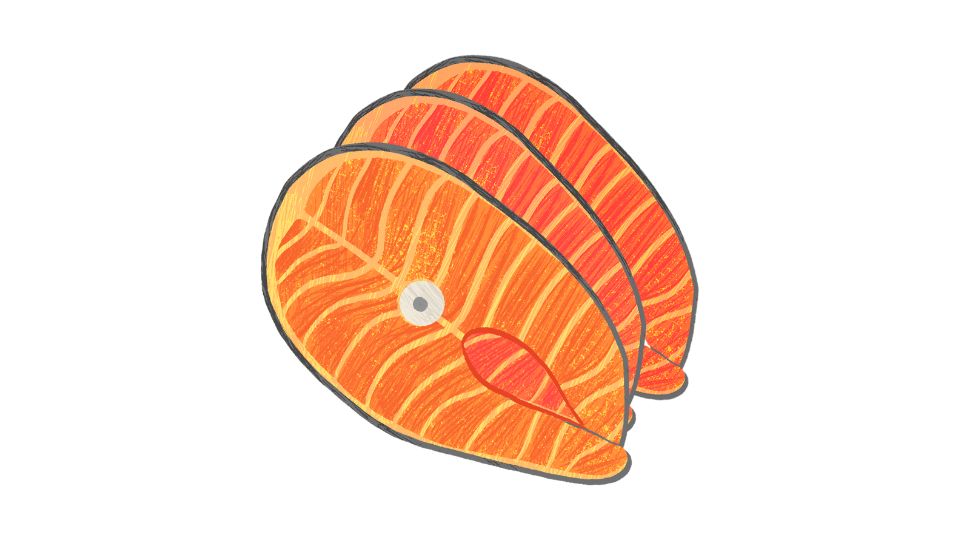
    salmon illustration

    When it comes to protein content, not all salmon are created equal:

    • Wild salmon typically gives you about 25 grams of protein per 100 grams
    • Farmed salmon offers slightly less at around 22 grams of protein per 100 grams

    Do the math and you’ll find that a full pound (454g) of wild salmon delivers approximately 114 grams of protein, while the same amount of farmed salmon contains around 100 grams.

    Why the difference? Wild salmon get more exercise swimming against currents and hunting for food, which builds more muscle (protein). Meanwhile, farmed salmon live easier lives with regular feeding, resulting in slightly less protein but often more fat.

    What Affects Protein Content in Salmon?

    Several factors influence exactly how much protein you’re getting:

    • Salmon species: King (Chinook) salmon typically has more protein than Pink salmon
    • Size and age: Bigger, older salmon = more muscle mass = more protein
    • Cooking method: Baking, grilling, or poaching doesn’t significantly change protein content, but can affect water content and concentration

    Just for comparison, chicken breast offers about 31g of protein per 100g, making salmon slightly less protein-dense but with way more beneficial fats.

    Salmon’s Nutritional Superpowers (Beyond Protein)

    salmon illustration

    Salmon isn’t just a protein powerhouse – it’s a nutritional MVP with:

    • Omega-3 fatty acids – These anti-inflammatory fats support brain health, reduce heart disease risk, and may even help fight depression
    • Vitamin D – Hard to find in foods, but salmon delivers! One pound can provide several days’ worth
    • B vitamins – Especially B12, which supports energy production and nervous system function
    • Selenium – A powerful antioxidant that protects your cells

    For context, one pound of salmon typically contains:

    NutrientAmount per 1 lb (454g)
    Protein100-115g
    Total Fat36-55g
    Calories800-935 kcal
    Omega-3s~10g
    Vitamin B12400%+ daily value
    Selenium75-85% daily value

    How to Track Your Salmon Protein Intake

    salmon illustration

    If you’re trying to hit specific protein goals (maybe you’re building muscle or managing your macros), knowing exactly how much protein is in your salmon matters.

    MealByMeal is a text-based meal tracking software that makes tracking your salmon intake super easy – just text what you ate, and they’ll calculate all the nutritional details for you.

    Why Salmon Protein Is Superior

    Not all protein sources are created equal. Salmon offers complete protein with all nine essential amino acids your body needs but can’t produce on its own.

    This makes salmon especially valuable for:

    • Athletes needing quality protein for recovery
    • Fitness enthusiasts looking to build or maintain muscle
    • Health-conscious individuals seeking nutrient-dense foods
    • Low-carb dieters wanting protein without the carbs

    Plus, salmon protein is highly bioavailable, meaning your body can effectively use almost all of it, unlike some plant proteins.

    Real-World Salmon Protein Examples

    To put this in perspective:

    • A typical restaurant salmon fillet (8oz/227g) provides about 50-57g protein
    • A standard 4oz portion gives you around 25-29g protein
    • A salmon meal prep container from services like Factor typically contains 5-6oz, delivering 31-38g protein

    How to Get the Most Protein from Your Salmon

    salmon illustration

    Want to maximize that protein punch? Here are some tips:

    • Choose wild salmon when possible for slightly higher protein content
    • Avoid overcooking which can make protein less digestible
    • Pair with complementary proteins like quinoa or legumes for a complete amino acid profile
    • Keep the skin on when cooking to retain more nutrients

    Salmon isn’t just high in protein – it’s one of the healthiest protein sources on the planet. With its incredible nutrient density, it deserves its reputation as a superfood.

    Whether you’re tracking macros or just trying to eat healthier, knowing that a pound of salmon gives you 100-115g of high-quality protein is a good factoid to keep in your nutrition toolkit.

    Now go enjoy that salmon dinner with the satisfaction of knowing exactly what you’re getting!

  • Pound of Shrimp = How Much Protein? Find Out Here

    Pound of Shrimp = How Much Protein? Find Out Here

    Ever wonder how much protein is packed into a pound of shrimp? I was curious too, so I did the math.

    A pound of cooked shrimp contains about 92 grams of protein.

    That’s a lot of muscle-building goodness in those little sea creatures. Let’s dive deeper into why shrimp might be your new favorite protein source.

    shrimp meme

    Shrimp: The Protein Powerhouse You’re Overlooking

    When it comes to protein-packed foods, chicken breast and steak usually get all the attention. But shrimp? It’s quietly sitting there with nearly 100 grams of protein per pound while staying incredibly low in calories.

    Let’s break down why shrimp deserves a spot in your regular meal rotation.

    The Nutrition Numbers That’ll Blow Your Mind

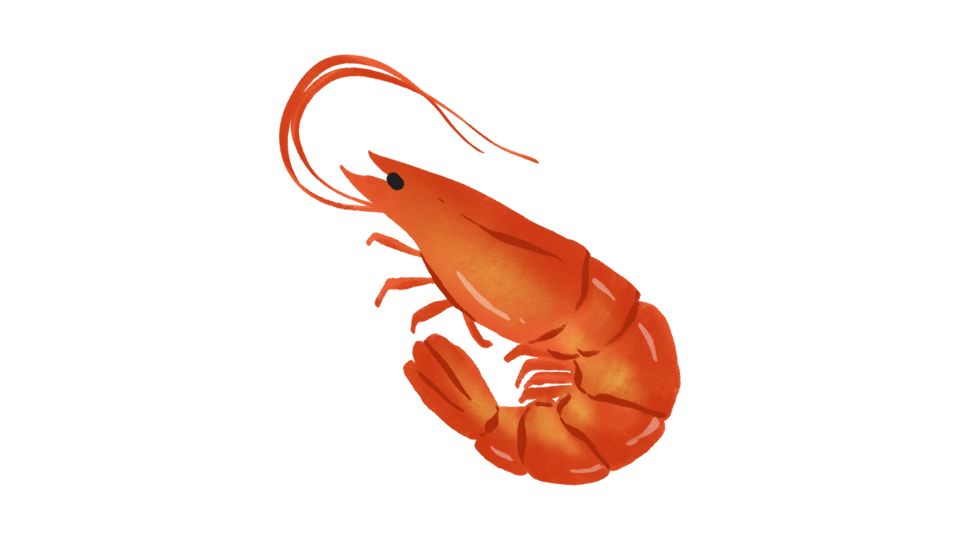
    shrimp illustration

    Here’s what you’re getting in a pound (454g) of cooked shrimp:

    • 92 grams of protein (that’s more than most protein powders!)
    • Only about 450 calories total
    • Virtually no carbs (around 1g)
    • Barely any fat (about 1.3g)

    I mean, just look at that protein-to-calorie ratio!

    If you’re tracking macros or trying to build muscle while staying lean, shrimp is practically a cheat code. The protein in shrimp is considered higher quality than milk protein in terms of its amino acid profile.

    But What About The Cholesterol?

    Let’s address the elephant in the room.

    Yes, shrimp contains cholesterol (about 189mg per 100g). For years, we were told to avoid it for this reason.

    But here’s the thing – modern research shows that dietary cholesterol has minimal impact on blood cholesterol levels for most people. Your liver actually produces most of the cholesterol in your body, and when you eat more, it simply makes less.

    The American Heart Association has updated their guidelines to reflect this, suggesting that seafood like shrimp can be part of a heart-healthy diet.

    That said, if you have specific health concerns, it’s always smart to chat with your doctor about your seafood intake.

    More Than Just Protein

    shrimp illustration

    Shrimp isn’t just a one-trick pony with protein. You’re also getting:

    • Selenium – a powerful antioxidant
    • Zinc – important for immune function
    • B12 – critical for energy and brain health
    • Iodine – essential for thyroid function

    Plus a bunch of other minerals like calcium, iron, and phosphorus. Not bad for something that’s basically just protein and water, right?

    The selenium content in seafood like shrimp has been linked to various health benefits, including reduced inflammation and enhanced immune function.

    How to Keep Shrimp Healthy (Don’t Ruin a Good Thing!)

    shrimp illustration

    It’s easy to take perfectly healthy shrimp and turn it into a calorie bomb. Here’s how to avoid that:

    • Skip the breading – Those fried popcorn shrimp? Yeah, that’s adding a ton of calories.
    • Watch the sauce – Creamy garlic butter sauce is delicious but defeats the purpose of choosing a lean protein.
    • Grilling > Frying – Keep it simple with some lemon, garlic, and herbs.

    I recently tried making shrimp skewers with a simple marinade – just lemon juice, olive oil, and herbs. Took 5 minutes to prep, 2 minutes to grill, and tasted amazing with minimal added calories.

    The Bottom Line on Shrimp Protein

    shrimp illustration

    If you’re looking to increase your protein intake while keeping calories low, shrimp is pretty hard to beat. With 92 grams of protein per pound and minimal fat and carbs, it’s one of the leanest protein sources available.

    The cholesterol concerns are largely outdated for most people, and you’re getting a nice bonus of important micronutrients too.

    So next time you’re meal prepping or looking for a quick protein source, don’t overlook these little sea creatures. They might just be the protein powerhouse your diet has been missing.

  • How Much Protein Is in a Pound of Turkey Breast?

    How Much Protein Is in a Pound of Turkey Breast?

    Ever wondered how much protein you’re really getting from that pound of turkey breast? Whether you’re meal prepping, tracking macros, or just curious about your protein intake, I’ve got the answer.

    turkey breast

    The Protein Power of Turkey Breast: How Much Bang for Your Buck?

    Let’s cut right to the chase: a pound (454 grams) of turkey breast packs about 110-115 grams of protein depending on the cut and how it’s prepared.

    But there’s more to this story than just one number.

    The Turkey Breast Protein Breakdown

    turkey breast

    Different sources report slightly different numbers:

    • JENNIE-O® Extra Lean Ground Turkey Breast gives us 28 grams of protein per 4-ounce serving. Do the math (multiply by 4 to get a pound) and you end up with 112 grams of protein per pound of their product.

    • According to Healthline, 100 grams of turkey breast contains about 24-29 grams of protein. If we use the average (26.5g) and multiply it out for a pound (454g), we get roughly 120 grams of protein.

    • The USDA nutrition database shows that roasted turkey breast is about 30% protein by weight, which translates to approximately 136 grams per pound for super lean cuts.

    • Medical News Today reports around 29 grams of protein per 100 grams of roasted turkey with skin, giving us about 131 grams per pound.

    Why Do These Numbers Vary?

    turkey breast

    The protein content in turkey breast varies for several reasons (and no, it’s not just to confuse you):

    1. Skin on vs. skinless – Skinless turkey breast has a higher protein concentration because skin adds fat but not much protein.

    2. Cooking method – Roasting, grilling, or frying affects moisture content, which changes the protein-to-weight ratio. As turkey cooks, it loses water and becomes more protein-dense per ounce.

    3. Ground vs. whole – Ground turkey breast might have slightly different nutritional values than a whole breast.

    4. Brand differences – Different turkey producers may have birds with varying nutritional profiles.

    Turkey Breast Nutritional Profile: More Than Just Protein

    Turkey breast isn’t just a protein powerhouse—it’s a nutritional MVP. For every 100 grams of skinless turkey breast, you’re getting:

    • Calories: ~120-130 kcal
    • Protein: ~25-29 grams
    • Fat: 1-3 grams
    • Carbs: 0 grams (yep, ZERO!)

    It’s also loaded with B vitamins (especially B3 and B6), selenium, and phosphorus, which support energy metabolism and immune function.

    What This Means for Your Meal Planning

    turkey breast

    If you’re tracking macros (and who isn’t these days?), here’s what you need to know about a pound of turkey breast:

    • Protein: About 110-115 grams
    • Calories: Roughly 480-520 kcal
    • Fat: Approximately 10-12 grams

    This makes turkey breast one of the leanest protein sources you can find. Compare that to a pound of 80/20 ground beef, which has around 80 grams of protein but over 1,200 calories!

    Practical Applications: Meal Prep Like a Pro

    Here’s how to use this information in real life:

    1. Meal prepping for muscle gain: If you need 30g of protein per meal, a quarter-pound of turkey breast will get you there with minimal fat.

    2. Cutting calories but keeping protein high: Turkey breast gives you more protein per calorie than almost any other meat.

    3. Post-workout nutrition: With its high protein content and minimal fat, turkey breast is perfect for post-workout recovery meals.

    4. Family meal planning: When cooking for multiple people with different protein needs, you can easily calculate how much turkey to prepare.

    Personally, I’ve found that pre-cooking a few pounds of turkey breast on Sunday makes weekday meal prep a breeze. Slice it, dice it, shred it—it’s versatile enough to keep meals interesting all week.

    The Bottom Line

    turkey breast

    If someone asks you how much protein is in a pound of turkey breast, you can confidently say 110-115 grams without missing a beat.

    Turkey breast is a lean, high-quality protein source that deserves a place in any nutrition-focused diet. Whether you’re building muscle, losing fat, or just trying to eat healthier, turkey breast delivers serious nutritional value.

    And hey, next time you’re debating between chicken and turkey breast, remember that they’re nearly identical in protein content—so mix it up and keep your taste buds guessing!

  • Protein in a Pound of Pork: Full Breakdown

    Protein in a Pound of Pork: Full Breakdown

    Ever looked at a pork chop and wondered, “How much muscle-building goodness is in this thing?”

    I’ve been diving deep into the protein content of pork, and found some surprising numbers that might make you reconsider your meat choices (in a good way).

    pork meme

    How Much Protein Is in a Pound of Pork?

    Let’s cut right to the chase – a pound of pork packs approximately 90-95 grams of protein depending on the cut and how fatty it is. That’s basically like having 3-4 protein shakes in one piece of meat!

    According to USDA data, raw pork loin tenderloin (with both lean and fat parts) contains about 93 grams of protein per pound. That’s a serious amount of muscle-building material.

    Different cuts have different amounts, but most hover around 25-27 grams of protein per 100 grams of cooked lean pork. Do the math, and that’s 90-108 grams per pound.

    Protein Content by Cut (The Meaty Details)

    Pork illustration

    Not all pork is created equal. Here’s how different cuts stack up:

    • Raw pork loin (lean and fat combined): About 93g protein and 24.5g fat per pound
    • Cooked ground pork: Roughly 25.7g protein per 100g (that’s about 116g per pound when cooked)
    • Lean cooked pork: Approximately 26% protein by weight
    • Average 100g portion: Contains 25-27g of complete protein with all essential amino acids

    The fatter the cut, the less protein you get per pound. Makes sense, right? Fat displaces protein.

    Why Pork Deserves More Respect as a Protein Source

    Pork illustration

    Pork isn’t just about protein – it’s a nutrient powerhouse:

    • Complete protein source – Contains all nine essential amino acids your body needs but can’t make. This is crucial for muscle growth and repair, making it valuable for athletes or anyone recovering from injury.

    • B vitamin bonanza – Pork is ridiculously high in thiamin (Vitamin B1), giving you up to 50% of your daily needs in just a 3-ounce serving. This vitamin is key for energy metabolism.

    • Mineral motherload – Packed with zinc, iron, phosphorus, and magnesium, which support everything from your immune system to bone health.

    • Balanced fat profile – Contains roughly equal amounts of saturated and unsaturated fats, depending on the cut.

    Putting This Knowledge to Work in Your Diet

    Pork illustration

    If you’re tracking macros (and who isn’t these days?), knowing that a pound of pork delivers about 90-95g of protein is super helpful.

    Let’s say your daily protein target is 150g. That means about 1.5 pounds of lean pork would get you there. That’s either one very ambitious meal or (more reasonably) split across your day.

    For accurate tracking, you might want to check out something like MacroFactor, which helps you monitor your intake precisely without going crazy with spreadsheets.

    The Bottom Line on Pork Protein

    Pork illustration
    • A pound of pork delivers 90-95 grams of high-quality protein
    • Leaner cuts = more protein per pound
    • Beyond protein, you’re getting essential amino acids, vitamins, and minerals
    • For fitness enthusiasts and health-conscious folks, pork is an efficient way to hit protein targets

    So next time you’re staring at the meat counter wondering what to choose, remember that pork isn’t just “the other white meat” – it’s a serious contender in the protein department.

    And if someone gives you grief about eating pork? Just tell them you’re optimizing your amino acid profile while enjoying bacon. Win-win.

  • Best App for Elimination Diet Tracking (What to Eat & Avoid)

    Best App for Elimination Diet Tracking (What to Eat & Avoid)

    Ever wondered why your body feels like crap after eating certain foods? Or why you’re randomly bloated despite feeling like you eat healthy? Maybe it’s time to do an elimination diet.

    And guess what? There’s an app for that! (Of course there is)

    Elimination diet apps help you systematically remove potential trigger foods, track your symptoms, and successfully reintroduce foods to identify what’s messing with your system.

    These digital helpers combine meal logging, symptom tracking, progress charts, and recipes tailored to your specific dietary restrictions.

    diet meme

    Why You Should Use an App for Your Elimination Diet

    Let’s be real – elimination diets are a pain in the ass. You’re juggling food restrictions, trying to remember what you ate, and constantly wondering “is this rash from that almond milk I had yesterday?”

    An app makes this whole process way less chaotic by offering:

    • Structured food and symptom logging so you can easily connect what you ate with how you feel
    • Meal planning and recipe management focused on safe foods rather than just a sad list of things you can’t eat
    • Progress tracking over weeks (because this isn’t an overnight process, folks)
    • Data-driven insights that help you and your doctor make smart decisions
    • Support and education when you’re ready to throw in the towel and order a pizza

    Top Features in Elimination Diet Apps

    the fat human illustrations

    1. Food and Symptom Journaling

    This is the backbone of any elimination diet app. You log your meals and any symptoms like bloating, skin issues, headaches, or that weird feeling you get but can’t quite describe.

    Apps like mySymptoms Food Diary are great at detailed logging of meals, symptoms, medication, stress, and exercise all in one place, making it easier to spot patterns when you look back at your data.

    2. Progress and Symptom Severity Tracking

    Most apps let you rate how bad your symptoms are (like on a scale from “meh” to “kill me now”) and visualize improvements over time. This visual feedback is super motivating when you start seeing the line trend downward!

    3. Meal Planning and Recipe Books

    Because “what the hell can I actually eat?” is the eternal question of elimination diets.

    Apps like Eliminate provide recipe books filtered by your specific restrictions. You can plan meals, add them to your journal, and reduce the mental load of figuring out what’s safe to eat three times a day.

    4. Reminders and Habit Formation Tools

    Let’s face it – we all need a little nudge sometimes. Apps like Eliminate remind you to journal at least twice daily, while apps like Habinator help you develop healthier diet routines with daily suggestions and goal-setting features.

    5. Image Recognition and Barcode Scanning

    The future is now! Cutting-edge apps like Lose It! and Foodvisor use photo recognition and barcode scanners for quick logging. Just snap a pic of your meal, and the app identifies what’s on your plate. Magic!

    6. Integration with Health Devices

    Some apps connect with your Fitbit, Apple Watch, or other health trackers to give you the full picture of how your diet affects your overall health. More data = more insights.

    7. Educational Content and Support

    Apps like BodySite offer learning resources and allow communication between you and healthcare providers. Because sometimes you need a professional to tell you that no, you cannot reintroduce gluten, dairy, and soy all on the same day just because you’re “feeling lucky.”

    Notable Apps for Tracking Elimination Diets

    AppWhat’s Cool About ItWhere to Get ItCostExtra Notes
    EliminateAll-in-one solution with food & symptom tracking, meal planning, recipesiOS/AndroidNot statedSpecifically designed for elimination diets
    mySymptoms Food DiarySuper detailed logging, reports for doctorsiOS/AndroidFree + premiumGreat for IBS, IBD, low FODMAP diets
    Lose It!Huge food database, photo recognition, barcode scanneriOS/AndroidFree + $40/yearPopular for general nutrition tracking
    HealthifyMeAI nutritionist, regional foodsiOS/AndroidFree + subscriptionAI coaching for personalized guidance
    FoodvisorVisual food recognition, chat with dietitiansiOS/AndroidFree + paid plansCombines tech with expert advice

    MealByMeal: A Simple Approach to Elimination Diet Tracking

    delicious food

    If you’re overwhelmed by complex apps, MealByMeal offers a refreshingly simple, text-based approach. Instead of navigating complicated interfaces, you just text your meals and it automatically tracks calories and macros.

    While it doesn’t have specialized elimination diet features like symptom tracking, it’s perfect for people who:

    • Get intimidated by complex food-logging interfaces
    • Want to track nutrition without the hassle
    • Need a low-friction way to monitor food intake

    MealByMeal’s straightforward approach can complement your elimination diet plan, especially if you’re also focused on maintaining balanced nutrition while eliminating trigger foods.

    How to Choose the Right Elimination Diet App

    the fat human illustrations

    When picking an app, consider:

    • What matters most to you: Symptom tracking? Meal planning? Overall nutrition?
    • How easy it is to log: Some people prefer typing, others want to snap photos
    • Customization options: Can you filter recipes based on your specific restrictions?
    • Education and support: Do you need guidance built into the app?
    • Healthcare integration: Will you need to share data with your doctor?
    • Price: Most apps have free versions with premium upgrades

    For a dedicated elimination diet experience, Eliminate and mySymptoms are solid choices. If you want broader nutrition tracking with simple input, Lose It! or MealByMeal might be more your speed.

    Final Thoughts

    delicious food

    Using an app to track your elimination diet can dramatically boost your chances of actually figuring out what foods are causing your issues.

    Whether you choose a specialized elimination diet app, an AI-powered nutrition assistant, or a simple text-based tracker like MealByMeal, these tools make the whole process less painful.

    Remember that the best app is the one you’ll actually use consistently. So pick something that fits your lifestyle and tech comfort level. Your future, symptom-free self will thank you!

    And if you’re looking for the simplest possible way to track your meals during this process, check out MealByMeal – just text your meals and let the app do the heavy lifting while you focus on feeling better.

  • Hands-Free Nutrition: App That Tracks Meals by Voice

    Hands-Free Nutrition: App That Tracks Meals by Voice

    Ever tried logging your meals?

    If you’re like most people, you’ve probably downloaded some calorie tracking app, used it for three days straight, and then abandoned it forever.

    I get it. Traditional food tracking is tedious. Searching databases, estimating portions, scanning barcodes… it’s enough to make anyone quit.

    But what if you could just talk to your phone and have your meals logged automatically?

    That’s the promise of voice-input meal tracking apps – and they’re changing the game in 2025.

    food meme

    The Rise of Voice-Input Meal Tracking Apps

    Remember when we used to manually type everything into our phones? Feels ancient, right?

    Voice technology has transformed how we interact with our devices, and nutrition apps are finally catching up. These new apps let you record what you eat simply by speaking into your phone.

    No more scrolling through endless food databases or trying to scan barcodes while the cashier gives you the death stare.

    Just say “I had two eggs, a slice of toast with avocado, and black coffee” and boom – your breakfast is logged.

    How Voice-Input Meal Tracking Actually Works

    the clean food

    These apps use artificial intelligence to understand your natural speech patterns and convert them into nutritional data. The tech behind this is pretty impressive.

    When you speak into your phone saying something like “grilled chicken breast with a cup of brown rice and steamed broccoli,” the app:

    1. Recognizes each food item
    2. Estimates standard portions (or uses your specified amounts)
    3. Calculates calories, protein, carbs, fat, and other nutrients
    4. Adds everything to your daily log

    For example, Caloric can process complex meal descriptions like “turkey sandwich with mayo, lettuce, and tomato on whole wheat bread” and break it down into its nutritional components in seconds.

    Why Traditional Meal Tracking Apps Often Fail

    Let’s be honest – most traditional food tracking apps are a pain to use. They create so much friction that people just stop using them.

    Common frustrations include:

    • Spending more time logging food than eating it
    • Not finding specific foods in the database
    • Getting frustrated with clunky interfaces
    • Forgetting to log meals and then trying to remember later

    Voice input solves most of these problems by making the process as simple as having a conversation.

    Top Features of Modern Voice-Input Meal Tracking Apps

    Multiple Entry Methods for Any Situation

    The best apps don’t just offer voice input – they provide multiple ways to log your meals depending on what works best in the moment.

    For example, ParrotPal lets you:

    • Use voice commands for quick logging
    • Text your meals (similar to MealByMeal)
    • Scan barcodes for packaged foods
    • Search their verified database
    • Take photos of your meals

    This flexibility is crucial because sometimes you’re in a quiet library and can’t speak into your phone, or you’re eating a packaged food where a barcode scan would be more accurate.

    AI-Powered Personalization

    Modern meal tracking apps go way beyond just counting calories. They use AI to:

    • Analyze your eating patterns
    • Suggest meals based on your preferences and goals
    • Provide nutrition insights specific to your body
    • Offer behavioral nudges to keep you on track

    HealthifyMe features an AI nutritionist that customizes diet plans based on your health data and even accounts for cultural food preferences. This personalization makes you feel like you have a nutrition coach in your pocket.

    Comprehensive Nutrient Tracking

    If you’re following a specific diet like keto, vegan, or high-protein, you need more than just calorie counting.

    The best voice input apps track:

    • Macronutrients: protein, carbs, and fats
    • Micronutrients: vitamins and minerals
    • Water intake: hydration tracking
    • Fiber: digestive health
    • Sugar: added vs. natural

    Cronometer is exceptional for tracking nutrient density, providing deep insights into vitamin and mineral intake that other apps often miss.

    How Voice-Input Compares to Text-Based Tracking

    the clean food

    Voice input and text-based tracking (like MealByMeal.com) share a common goal: reducing friction in the meal logging process.

    Each has its advantages:

    Voice Input:

    • Hands-free operation
    • Natural conversation style
    • Super fast for complex meals

    Text-Based Tracking:

    • Works in quiet environments
    • Doesn’t require speaking out loud
    • Often more discrete

    Both approaches are massive improvements over traditional manual entry systems, making it much more likely you’ll stick with tracking long-term.

    Integration with Other Health Tools

    The most useful meal tracking apps don’t exist in isolation – they connect with your other health tools.

    Top apps integrate with:

    • Fitness trackers (Apple Watch, Fitbit, Garmin)
    • Smart scales
    • Sleep trackers
    • Activity apps

    Lifesum excels at these integrations, syncing seamlessly with popular fitness apps to give you a comprehensive view of your health.

    Choosing the Right Voice-Input Meal Tracking App for You

    the clean food

    When selecting a voice-input meal tracking app, consider:

    1. Accuracy of voice recognition – Does it understand your speech patterns?
    2. Food database size – Are your common foods included?
    3. Ease of use – Is the interface intuitive?
    4. Goal alignment – Does it support your specific nutrition goals?
    5. Price – Free with ads, subscription, or one-time purchase?

    The Future of Meal Tracking

    The future of meal tracking is moving toward even less effort from users.

    Imagine wearing smart glasses that automatically identify and log the food on your plate, or a smart kitchen that tracks what ingredients you use while cooking.

    These technologies are already in development and will make nutrition tracking essentially automatic in the coming years.

    The Bottom Line: Just Start Somewhere

    the clean food

    Whether you choose a voice-input app, a text-based solution like MealByMeal.com, or even a traditional tracking method, the most important thing is to just start.

    Tracking your nutrition – even imperfectly – gives you awareness that can lead to better choices over time.

    Voice and text input options have dramatically lowered the barrier to consistent tracking. They’ve made it possible to maintain the habit long enough to see real results.

    So pick an approach that fits your lifestyle, and give it a try. Your future self will thank you for the healthy habits you build today.

  • Top-Rated Meal Tracker for Kids (That Parents Also Love)

    Top-Rated Meal Tracker for Kids (That Parents Also Love)

    Ever felt like you’re playing food detective with your kids?

    Tracking what your little ones eat can feel like a full-time job. Between the random food phases (only yellow foods this week!), picky eating battles, and trying to sneak in vegetables, parents need all the help they can get.

    I spent weeks researching the best ways to track kids’ meals because, let’s be honest, ensuring proper nutrition during those crucial growth years matters a ton.

    Let me walk you through why tracking matters, what features to look for in apps, and which ones actually work for busy parents who don’t have time to log every Cheerio that hits the floor.

    kids meme

    Why Track Your Kid’s Meals Anyway?

    Let’s start with the obvious question – why bother tracking what your kids eat?

    Balanced nutrition isn’t just about avoiding meltdowns from sugar crashes (though that’s a nice bonus). It’s about supporting proper brain development, healthy growth, and establishing good eating habits that last a lifetime.

    Tracking meals helps you:

    • Identify food allergies or sensitivities
    • Ensure they’re getting enough protein, fiber, and essential nutrients
    • Manage weight concerns (whether underweight or overweight)
    • Spot patterns between certain foods and behavior
    • Actually remember if they’ve eaten vegetables this week

    And unlike tracking your own meals (which can sometimes get obsessive), tracking for kids is more about the big picture of nutrition rather than strict calorie counting.

    Key Features Worth Looking For

    the parent and kid

    Not all food tracking apps are created equal, especially when it comes to monitoring kids’ nutrition. Here’s what matters:

    • User-friendly interface: Because you have exactly zero minutes to learn complicated software
    • Quick logging options: For those days when you’re logging meals while also putting out fires (sometimes literally)
    • Kid-specific nutrition guidelines: Adult nutritional needs ≠ kid nutritional needs
    • Customizable for allergies/restrictions: Essential for families navigating food sensitivities
    • Educational components: Bonus points if it helps teach kids about nutrition too
    • Family sharing: So you’re not the only one responsible for tracking

    Best Apps for Tracking Kids’ Meals

    the parent and kid

    1. MealByMeal: For Parents Who Hate Opening Apps

    Ever wished you could just text someone “my kid had yogurt, banana, and toast for breakfast” and have it magically tracked? That’s exactly what MealByMeal does.

    You literally text your child’s meals to their system, and it handles the calorie and macro tracking automatically. No opening apps, no scanning barcodes, no scrolling through endless food lists when you’re already exhausted.

    Why parents love it:

    • Ridiculously simple: Text and forget
    • Accurate nutrition data: Helps ensure balanced meals
    • Works for the whole family: Track everyone’s meals in one place
    • No app-switching: Just use your regular messaging app

    For busy parents who struggle to maintain any kind of tracking system, this text-based approach is a game-changer.

    2. MyFitnessPal: The Classic Option

    If you’re already using MyFitnessPal for yourself, it makes sense to leverage it for the whole family. While not specifically designed for kids, it has the most comprehensive food database out there.

    The pros:

    • Massive food database: Including most packaged kids’ foods and restaurant options
    • Barcode scanner: Quick logging for packaged foods
    • Recipe builder: Save those few meals your kid actually eats
    • Free version works well: Premium features are nice but not essential

    The cons:

    • Not kid-specific: You’ll need to adjust goals manually
    • Can be overwhelming: Lots of features you won’t need
    • Focus on calories: Which isn’t always the priority for growing kids

    MyFitnessPal works best for older children and teens who might eventually use it themselves with guidance.

    3. Cronometer: For The Nutrition-Detail Parent

    If you’re the type who researches micronutrients and worries about vitamin K intake, Cronometer might be your jam. This app goes deep on nutrition data.

    What sets it apart:

    • Tracks up to 84 nutrients: Way beyond basic macros
    • High-quality food database: Verified data, less user-submitted content
    • Great for medical needs: Helpful for kids with specific nutritional requirements
    • Custom recipes: Save your homemade baby food or special formulas

    This app is particularly valuable for parents of kids with specific health conditions requiring careful nutrition monitoring.

    4. Nutrition for Kids: Educational Approach

    Some apps focus less on strict tracking and more on teaching healthy habits. Nutrition for Kids falls into this category, making it perfect for involving children in the process.

    Features worth noting:

    • Kid-friendly interface: Colorful, engaging design
    • Food group focus: Rather than just calories
    • Educational games: Makes nutrition learning fun
    • Growth tracking: Monitor height/weight alongside nutrition

    This option works best for families looking to improve overall food awareness rather than detailed nutrition tracking.

    How I’m Using These Apps With My Family

    the parent and kid

    After testing these apps (and more), I’ve settled on a hybrid approach that works for us:

    1. Daily basics: I use MealByMeal for quick text-based logging of our regular meals
    2. Special situations: For my son with mild dairy sensitivity, I occasionally use Cronometer to check his calcium and vitamin D intake
    3. Kid involvement: Once a week, I let my kids help log their food using a more visual app to teach them about food groups

    The key is finding what actually fits into your life. The perfect tracking app that you never use is worse than a simple system you can maintain.

    Tips For Successful Meal Tracking With Kids

    Having tracked my kids’ nutrition through various stages, here’s what I’ve learned:

    • Don’t obsess over daily perfection – look at weekly patterns instead
    • Focus on variety and color rather than hitting exact numbers
    • Use tracking as a tool, not a rule – it should reduce stress, not add to it
    • Involve kids appropriately based on their age and interest
    • Share tracking duties with partners/caregivers when possible
    • Consider seasonal changes – kids often eat differently in summer vs. winter
    • Track context too – note hunger levels, moods, or activities

    Remember, the goal isn’t “perfect” nutrition but rather understanding patterns and making informed choices.

    When To Consider Professional Help

    the parent and kid

    While apps are great tools, sometimes you need expert guidance. Consider consulting a pediatric dietitian if:

    • Your child has significant food allergies or medical conditions
    • You’re noticing concerning growth patterns (too slow or too rapid)
    • Extreme picky eating is affecting health
    • You’re seeing disordered eating behaviors

    A professional can use your tracking data to provide personalized recommendations that apps simply can’t.

    Bottom Line: Keep It Simple

    After all this research, my main takeaway is this: the best tracking system is the one you’ll actually use.

    For most busy parents, that means something quick and simple like MealByMeal’s text-based tracking. But whatever you choose, remember that some tracking is better than none, and perfect tracking isn’t necessary for raising healthy eaters.

    The goal isn’t creating perfect food logs—it’s raising kids who have a healthy relationship with food. Sometimes that means tracking meticulously, and sometimes it means throwing the plan out the window for ice cream. Both are valid parenting choices.

    What tracking methods have worked for your family? The journey’s different for everyone, but we’re all just trying to make sure our kids eat something other than goldfish crackers occasionally.

  • Meal Tracking App Every Couple Should Try Together

    Meal Tracking App Every Couple Should Try Together

    Tracking meals together might just be the secret sauce to a healthier relationship.

    When you and your partner join forces to monitor what you’re eating, you’re not just counting calories—you’re building a shared commitment to health goals while supporting each other through the journey.

    But not all apps are created equal when it comes to couples nutrition tracking.

    The ideal app should let you link accounts, customize goals for each person (because let’s be honest, his and her calorie needs are rarely identical), and support whatever weird diet trend one of you is trying this month.

    couple meme

    How Tracking Meals Together Can Transform Your Relationship

    Let’s face it—changing eating habits is hard. Like, really hard. But when you’ve got your ride-or-die by your side, suddenly those late-night cookie cravings have to face two people’s willpower instead of just yours.

    When you track meals as a couple, you’re basically getting:

    • A built-in accountability partner (who sleeps in your bed)
    • Someone to celebrate your wins with (high protein lunch? high five!)
    • A partner to strategize with when challenges arise
    • Deeper conversations about health and life goals

    Even when your nutrition needs are totally different (hello, 6’2″ weightlifting boyfriend and 5’4″ yoga-loving girlfriend), tracking together helps you coordinate grocery shopping, meal prep, and restaurant choices without losing your minds.

    Essential Features in a Couples Meal Tracking App

    the couples

    Account Linking That Actually Works

    The best apps for couples offer some version of partner accounts or family linking. This means you each get your own tracking space but can peek at each other’s progress when needed.

    For example, Eat This Much recently rolled out “Family Members account linking” that lets each of you maintain your independence while still sharing the big picture stuff for maximum accountability.

    Personalized Nutrition Goals

    Let’s be real—a 200-pound guy training for a marathon needs different nutrition than his 130-pound partner who sits at a desk all day.

    Good couples apps let you customize individual targets within the same system. Some even let you plan meals where the base is the same but portions or sides differ to match each person’s needs.

    Simplified Meal Planning & Shopping

    The “what’s for dinner?” conversation is the bane of many relationships. Apps with meal planning features and shared grocery lists eliminate this daily battle.

    Most top-tier apps generate shopping lists based on your planned meals, so you only buy what you need—saving money and reducing food waste.

    Easy Logging Options

    If tracking meals feels like a part-time job, neither of you will stick with it. The best apps offer:

    • Photo logging (snap a pic of your meal)
    • Barcode scanning (for packaged foods)
    • Voice entry (for hands-free logging)
    • Text-based tracking (just message what you ate)

    MealByMeal stands out here by letting you simply text your meals and instantly getting calorie and macro data back—no app interface required. Perfect for the partner who “forgets” to log because the app is “too complicated.”

    Nutrition Data That Goes Deep

    While calories matter, they’re not the whole story. The best apps track:

    • Macros (protein, carbs, fat)
    • Micronutrients (vitamins, minerals)
    • Fiber (crucial for gut health)
    • Sodium and sugar (the sneaky stuff)

    Cronometer is particularly impressive, tracking over 80 nutrients to give couples a comprehensive view of their nutrition quality.

    Top Apps for Couples Who Want to Track Together

    the couples

    MealByMeal

    If you and your partner are busy (who isn’t?), MealByMeal might be your new best friend. Unlike traditional apps that require opening, scrolling, and searching, you just text what you ate.

    The system texts back with calories and macros. No complicated interfaces, no forgetting passwords—just text like you normally would.

    Couples can independently track their meals while comparing progress together when they want to. It’s perfect for the couple where one person is tech-savvy and the other not so much.

    MyFitnessPal

    With over 250 million users, this app is popular for a reason. It offers:

    • Massive food database (including restaurant items)
    • Barcode scanning for packaged foods
    • Syncing with fitness devices
    • Detailed nutrition reports

    Great for couples who want to track multiple nutrients and weight changes together.

    Eat This Much

    Their new Family Members Account Linking feature is specifically designed for couples and families. You can:

    • Link accounts but maintain separate nutrition targets
    • View each other’s meal plans
    • Adjust calorie levels for differences between partners
    • Generate shopping lists that work for both of you

    Cronometer

    For the nutrition-obsessed couple, Cronometer tracks over 80 micronutrients. It’s ideal if you’re both focused on nutrient optimization beyond just calories and macros.

    Lifesum

    Lifesum offers multiple ways to log meals (photo, voice, text, barcode) and supports various diet types from keto to vegetarian. Its Life Score feature evaluates overall health, making it a comprehensive wellness tool for couples.

    MyNetDiary

    Features an AI meal scanner that can recognize ingredients from photos (in the premium version). Great for couples who want robust free features with some AI assistance.

    Lose It!

    Known for its simple, effective meal and macro tracking. Some couples use it specifically for its easy logging interface and goal-sharing options.

    BetterTogether

    Designed specifically for weight loss with diet and fitness tips, it has features catering to couples aiming to drop pounds together.

    Making Meal Tracking Work For Your Relationship

    the couples

    Set Realistic Expectations (For Both of You)

    Use apps that support separate calorie/macro targets, or plan meals so you can share main dishes but modify portions. Remember: your bodies are different, and your goals might be too!

    Talk About It (But Not Too Much)

    Share your meal logs, celebrate wins, and discuss challenges either through the app or in person. But don’t let food talk dominate your relationship—nobody wants nutrition to be the only thing you discuss over dinner.

    Plan Meals Together

    Pick recipes and plan grocery shopping as a team using app-generated lists. This streamlines meal prep and keeps your food aligned with both your goals.

    As one study from the Journal of Health Psychology found, couples who tackle health goals together have significantly better outcomes than those who try to go it alone.

    Choose Simple Logging Methods

    For busy couples, text-based apps like MealByMeal or photo-based logging options reduce friction. The easier it is, the more likely you’ll both stick with it long-term.

    Keep It Fun and Supportive

    Some apps have social or gamified components where couples can track progress side by side or send motivational nudges. Remember: you’re partners, not competitors.

    Why Simple Might Be Better For Couples

    the couples

    Unlike traditional meal tracking apps requiring manual log-ins or complicated food searches, text-based tracking simplifies the whole process. This ease of use is perfect for couples where one partner might be less enthusiastic about detailed tracking.

    Plus, the minimal-effort approach helps ensure consistent tracking—the real key to success with any nutrition plan. If it’s too complicated, one or both of you will quit after a week.

    When evaluating which app works best for your relationship, consider not just the features but how likely both of you are to actually use it consistently. Because even the most sophisticated app won’t help if it sits unused on your phone!

    At the end of the day, the best meal tracking app for couples is the one you’ll both actually use.

    Whether that’s MealByMeal’s simple text approach or MyFitnessPal’s comprehensive database depends on your relationship dynamics and health goals.

    The real win isn’t just better nutrition—it’s tackling a health journey together, supporting each other’s goals, and building a stronger relationship along the way.