Author: mealbymealblog

  • Beginner-Friendly Meal Tracking Apps That Are Easy to Use

    Beginner-Friendly Meal Tracking Apps That Are Easy to Use

    Tracking what you eat doesn’t have to be complicated.

    But picking the right meal tracking app can feel like choosing between 50 different flavors of protein powder.

    If you’ve never tracked your food before, you might be wondering which app is best, how to use it effectively, and whether it’s even worth the effort.

    I’ve tried pretty much every food tracking app out there (I’m a nutrition nerd), and I’ll break down everything you need to know to get started — without the overwhelm.

    30 Pounds of Tasty Memes for Anyone Waiting to Start Their Diet Tomorrow  (Or the Next Day) - Memebase - Funny Memes

    Meal Tracking Apps: The Beginner’s Guide to Food Logging

    What’s a Meal Tracking App Anyway?

    line art medical

    Think of a meal tracking app as your personal food detective.

    It’s a tool that helps you log everything you eat and drink, giving you insights into your calories, protein, carbs, fats, and sometimes even micronutrients.

    Most apps come with:

    • Food databases with millions of items
    • Barcode scanners for packaged foods
    • Nutrition breakdowns and analysis
    • Goal setting features

    Basically, they take the guesswork out of “am I eating too much?” or “am I getting enough protein?”

    Why Bother Tracking Your Food?

    You can’t improve what you don’t measure.

    Research consistently shows that people who track their food intake lose more weight and keep it off longer than those who don’t. But weight loss isn’t the only reason to track.

    Tracking your meals helps you:

    • Become aware of what you’re actually eating (we tend to underestimate)
    • Hit your nutrition targets whether that’s calories, protein, or other nutrients
    • Identify patterns like emotional eating or nutrient deficiencies
    • Make better choices because you know you’ll be logging it

    It’s like having a financial budget but for your body. You wouldn’t spend money without knowing your bank balance, right? Same principle.

    The Best Meal Tracking Apps for Beginners

    line art medical

    Not all meal tracking apps are created equal. Some are complex enough to satisfy nutrition PhDs, while others are so simple your grandma could use them.

    Here are the top contenders for beginners:

    AppBest ForCostStandout Feature
    MyFitnessPalAll-around trackingFree with $10/month premiumMassive food database (14M+ foods)
    CronometerDetailed nutritionFree with $5-10/month goldTracks up to 84 nutrients
    MyNetDiaryUser-friendly interfaceFree with $9/month premiumAI food scanner that works surprisingly well
    NoomBehavior change~$200/yearPsychology-based coaching
    MealByMealSimplicityFree trial, then subscriptionText-based logging (no app needed)
    Lose It!Budget-friendlyFree with $40/year premiumClean interface, good community

    The truth is, the best app is the one you’ll actually use consistently. For most beginners, MyFitnessPal or Lose It! provide the right balance of features without overwhelming you.

    Getting Started: Your Step-by-Step Guide

    line art medical

    1. Pick Your App and Set Up Your Profile

    Download one of the apps above and create your profile. Be honest about your:

    • Current weight
    • Goal weight
    • Activity level
    • Weekly goal (like lose 1 pound per week)

    This helps the app calculate your daily calorie target. Don’t worry, you can adjust this later.

    2. Set Realistic Goals

    For beginners, I recommend focusing on these targets first:

    • Daily calorie goal (what the app suggests is usually good to start)
    • Protein target (aim for 0.7-1g per pound of bodyweight)

    Don’t worry about complex macro splits until you’ve mastered the basics. That’s like trying to learn calculus before addition.

    3. Start Logging (The Right Way)

    The key to accurate tracking is measuring your food. You have three options:

    • Food scale (most accurate, especially for calorie-dense foods)
    • Measuring cups and spoons (decent for liquids and some foods)
    • Eyeballing (least accurate, but better than nothing)

    A cheap food scale is worth its weight in gold for proper tracking. Seriously, you’ll be shocked at what an actual serving of peanut butter looks like.

    4. Use These Pro Tracking Hacks

    • Log before you eat when possible
    • Create meal templates for foods you eat regularly
    • Scan barcodes instead of searching
    • Build a favorites list of common foods
    • Take photos if you can’t log right away

    If you’re using MealByMeal, simply text your meals as you go—no need to open an app or search through databases.

    Why Most People Fail at Meal Tracking (And How Not To)

    The most common reasons people quit tracking are:

    1. It feels too complicated
      Solution: Start by just tracking calories for a week, then add macros

    2. They forget to log meals
      Solution: Set reminders or use a text-based app like MealByMeal

    3. They get discouraged by “bad” days
      Solution: View each log as data, not a moral judgment

    4. They try to be too perfect
      Solution: Aim for 80% accuracy – it’s about trends, not perfection

    Remember, consistent tracking over time is what leads to results. You don’t need to be perfect!

    Special Features Worth Paying For

    While free versions of most apps work fine, some premium features can be worth the money:

    • Recipe builders to track homemade meals
    • Meal planning tools to plan your week
    • Trend analysis to spot patterns
    • AI food recognition (take a photo of your meal)
    • Exercise integration to track calories burned

    MealByMeal’s text-based approach offers a unique advantage for people who find apps too time-consuming.

    Just text what you ate, and it handles the calculations automatically. No app-switching required.

    Is MealByMeal Worth Trying?

    If you’re the type who gets overwhelmed by traditional apps, MealByMeal offers a refreshing alternative.

    Instead of opening an app, searching through databases, and manually entering everything, you simply text your meals like you would to a friend. The service handles all the calorie and macro tracking automatically.

    It’s perfect if you:

    • Are always on the go
    • Get frustrated with complex interfaces
    • Forget to open tracking apps
    • Want something that feels more conversational

    The tradeoff is that you don’t get as many visual charts and features as traditional apps, but for pure simplicity, it’s hard to beat.

    How to Make Meal Tracking a Habit That Sticks

    The key to successful tracking is making it a non-negotiable part of your routine. Here’s how:

    1. Start with a 30-day commitment – it takes about that long to form a habit
    2. Track at the same times each day – like right after meals
    3. Use app reminders or calendar alerts
    4. Build a streak – many apps show your logging streak as motivation
    5. Find an accountability buddy who also tracks

    And remember: Your food log is just data. It’s not a moral judgment of your character.

    A day of overeating doesn’t make you a failure, just like one day at the gym doesn’t make you an athlete. It’s all information you can use to improve.

    The Bottom Line on Meal Tracking for Beginners

    line art medical

    Meal tracking is like having GPS for your nutrition journey. Sure, you can try to reach your destination without it, but you’ll probably take some wrong turns along the way.

    Start with a simple app like MyFitnessPal or the text-based MealByMeal if you want maximum simplicity.

    Focus on consistency rather than perfection. And remember that tracking works better than any fad diet out there.

    The most important thing? Just start. Log your next meal, even if you do it imperfectly. Your future self will thank you.

  • Best Meal Tracking App for Dialing In Your Macros

    Best Meal Tracking App for Dialing In Your Macros

    Tracking your macros used to be a painful exercise in food journaling and calorie-counting guesswork.

    Now? There’s an app for that. Actually, there are dozens of apps for that.

    Whether you’re trying to lose weight, gain muscle, or just get a better handle on your nutrition, macro tracking apps can be game-changers.

    But with so many options flooding the market in 2025, which one should you actually download?

    Let’s break down the best macro tracking apps available right now, including a unique text-based option that might surprise you.

    food meme

    Why People Track Macros

    Before we dive into the apps, let’s talk about why tracking macronutrients (protein, carbs, and fats) has become so popular.

    Tracking macros gives you a much deeper understanding of your diet than just counting calories. It helps you:

    • Fine-tune your nutrition for specific goals
    • Ensure you’re getting enough protein for muscle growth
    • Balance your carbs for energy management
    • Monitor healthy fats for hormonal health
    • Create sustainable eating habits that actually work for your body

    Basically, it’s like upgrading from a flip phone to a smartphone. You get way more functionality and control.

    Top Macro Tracking Apps of 2025

    art illustration blue and pink

    Here’s the rundown of today’s leading macro trackers:

    AppKey FeaturesPricingWhat Makes It Special
    MyFitnessPal200M+ food database, barcode scannerFree + PremiumMassive database, super beginner-friendly
    CronometerTracks 80+ nutrients, health markersFree + PremiumMost detailed nutrient data available
    Macro MaxAI-powered macro adjustmentsFree with ad-free optionAdaptive algorithms that learn your patterns
    MyMacros+Deep data analysis, Apple Watch appOne-time payment + subscriptionsPerfect for serious macro counters
    LifesumMeal recommendations, nutritional adviceFree + PremiumGreat UI with helpful guidance
    MacrosFirstCustom goals, meal schedulingFree + PremiumExcellent integration with other platforms
    MyNetDiaryAI meal scanner, portion control helpFree + SubscriptionBest for visual food tracking
    MealByMeal.comSMS-based tracking, no app neededFreeText your meals instead of logging in an app

    In-Depth Reviews of the Leading Contenders

    art illustration blue and pink

    1. MyFitnessPal

    The OG of macro tracking isn’t going anywhere in 2025. With over 200 million foods in its database, MyFitnessPal remains the most comprehensive food tracker around.

    What I love: The barcode scanner is still magical. Point your phone at almost any packaged food, and boom—instant nutritional info.

    What could be better: The free version now has more limitations than ever, and the premium subscription price keeps creeping up.

    Most user reviews say something like this: “I’ve tried other apps but always come back to MyFitnessPal because I know how to use it and it has every food I eat.”

    According to a 2024 study on nutrition tracking adherence, apps with larger databases like MyFitnessPal lead to longer user engagement.

    2. Cronometer

    If you’re a nutrition nerd who wants to track every micronutrient down to the microgram, Cronometer is your app.

    What I love: The attention to detail is unmatched. You can track over 80 nutrients, sync with health devices, and get beautiful visualization of your data.

    What could be better: The interface isn’t as sleek as some competitors, and the learning curve is steeper.

    Research from the International Journal of Behavioral Nutrition and Physical Activity shows that comprehensive tracking apps like Cronometer help users develop more balanced nutritional profiles.

    3. Macro Max

    The newest contender making waves in 2025, Macro Max uses AI to adapt your macro targets based on your progress.

    What I love: The adaptive algorithm is seriously impressive. If you’re making progress, it keeps you on track. If you’re stalling, it suggests adjustments. Plus, logging meals takes just three taps.

    What could be better: The database isn’t as extensive as MyFitnessPal’s yet, though it’s growing fast.

    4. MyMacros+

    For serious fitness enthusiasts and bodybuilders, MyMacros+ continues to be the gold standard.

    What I love: The one-time payment model (instead of subscription) for the basic version, plus the Apple Watch integration is seamless.

    What could be better: It’s definitely not for beginners. This app assumes you already understand macros and just need a powerful tool to track them.

    According to fitness professionals surveyed by Men’s Health, MyMacros+ is consistently rated as the preferred choice for competitive athletes.

    5. MealByMeal.com

    Here’s where things get interesting. While everyone else is building more complex apps, MealByMeal.com went in the opposite direction with a brilliantly simple approach: text-based meal tracking.

    What I love: You literally just text your meals (like “2 eggs, toast with butter, coffee with cream”) and it tracks everything for you. No apps to open, no passwords to remember, no complicated interfaces.

    What could be better: You don’t get the visual feedback of graphs and charts that app-based trackers provide.

    This approach aligns with research from the Journal of Medical Internet Research showing that reducing friction in health tracking significantly improves long-term adherence.

    How to Choose the Right Macro Tracking App

    art illustration blue and pink

    Picking the perfect macro tracker depends on several factors:

    Your Experience Level

    • Beginner? Start with MyFitnessPal or Lifesum
    • Intermediate? Macro Max or MyNetDiary might be perfect
    • Advanced? Cronometer or MyMacros+ will give you the depth you crave

    Your Tracking Style

    • Want everything automated? Apps with barcode scanners and large databases
    • Prefer simplicity? MealByMeal’s text-based approach might be refreshing
    • Need detailed data? Choose apps with comprehensive analytics

    Your Budget

    Most apps now use the freemium model, with basic features free and advanced features behind a paywall. Consider whether the premium features are worth it for your specific goals.

    The Text-Based Alternative: How MealByMeal.com Works

    art illustration blue and pink

    I’m fascinated by MealByMeal.com’s approach because it’s so different from everything else on the market.

    Instead of navigating through app screens and searching databases, you simply text what you ate. Their system does all the heavy lifting, calculating calories and macros behind the scenes.

    Think about it: no more opening apps, waiting for them to load, searching for foods, adjusting portions just send a quick text like you would to a friend.

    For people who get overwhelmed by traditional tracking (which, according to a Cornell University study, is about 40% of those who try it), this friction-free approach could be a game-changer.

    In Summary

    The macro tracking world in 2025 offers something for everyone:

    • MyFitnessPal remains the reliable standby with the biggest database
    • Cronometer provides the most comprehensive nutritional data
    • Macro Max brings AI-powered adaptability to the table
    • MyMacros+ caters to the serious fitness crowd
    • MealByMeal.com offers a refreshingly simple text-based alternative

    The best app is ultimately the one you’ll actually use consistently.

    Whether you choose a feature-rich app with all the bells and whistles or the simplicity of texting your meals, tracking your macros is one of the most effective ways to take control of your nutrition and reach your health goals.

    And remember—no app can replace the fundamentals: eating real food, moving your body regularly, and being consistent with your habits. The app is just the tool to help you get there.

  • Best Meal Tracking Tips for Healthy Weight Gain

    Best Meal Tracking Tips for Healthy Weight Gain

    Ever feel like you’re eating everything in sight, but the scale won’t budge?

    If you’re trying to gain weight (yes, some of us actually want to gain), you probably know it’s not as simple as just “eating more.” There’s strategy involved.

    One tool that can seriously help? Meal tracking.

    Let’s talk about why tracking what you eat is a game-changer when you’re trying to put on pounds, how to do it without losing your mind, and the best apps to make it all easier.

    meme food

    Why Track Meals When You’re Trying to Gain Weight

    Here’s the simple truth: to gain weight, you need to eat more calories than you burn.

    But there’s a difference between gaining mostly fat versus gaining quality weight (including muscle). And that’s where tracking comes in clutch.

    When you track your meals, you:

    • Know exactly how many calories you’re getting (no more guessing)
    • Make sure you’re hitting your protein targets (crucial for muscle)
    • Stay consistent with your eating (the real secret to gains)
    • Identify patterns that help or hurt your progress

    Think about it: if you’re struggling to gain weight, you might think you’re eating “a lot” when in reality you’re barely hitting maintenance calories. Tracking gives you the cold, hard data.

    How to Track Your Meals Without Going Crazy

    orange illustration

    Tracking every bite sounds like a hassle. But there are ways to make it manageable:

    1. Be Specific (But Not Obsessive)

    Measure your food when possible. A food scale is great, but measuring cups work too.

    Don’t forget to track the little things that add up – oils, sauces, dressings. One tablespoon of olive oil is about 120 calories! That’s not insignificant when you’re trying to gain.

    2. Eat More Frequently

    For hardgainers especially, trying to cram 3,000+ calories into three meals is rough. Instead, aim for 3 solid meals plus 2-3 snacks throughout the day.

    This approach helps you:

    • Keep your appetite up
    • Avoid feeling stuffed at any single meal
    • Maintain a steady stream of nutrients for muscle growth

    3. Track How Foods Make You Feel

    Not all calories are created equal when it comes to how they make you feel. Some high-calorie foods might bloat you or kill your appetite for hours.

    Make notes in your tracking app about:

    • Energy levels after meals
    • Digestive comfort
    • How full you feel and for how long

    This info is gold for optimizing your diet for gains.

    4. Set Realistic Goals

    Aiming to gain 20 pounds of pure muscle in a month? Yeah, that’s not happening unless you’ve got pharmaceutical help.

    For most natural lifters, gaining 0.5-1 pound per week is a more realistic target that will minimize fat gain.

    Your tracking data helps you adjust calories up or down to hit that sweet spot.

    The Best Apps for Tracking Your Gains

    lamp cartoon

    There are tons of apps out there, but here are some standouts for weight gain specifically:

    MealByMeal: This one’s unique – you literally just text your meals to the app, and it tracks everything for you. Super low friction, which is exactly what you want when building a new habit.

    Cronometer: If you’re a data nerd, this is your app. It tracks up to 84 nutrients beyond just calories and macros. Great for making sure you’re not just gaining weight but supporting overall health. Cronometer details.

    MyFitnessPal: The OG tracking app with the biggest food database out there. The barcode scanner is clutch for packaged foods.

    FatSecret: Clean interface, good community features, and excellent for international users since it supports foods from many countries.

    A Sample Day of Tracked Meals for Weight Gain

    medical cartoon

    Let me show you what a day of eating might look like if you’re aiming for about 3,000 calories:

    Breakfast (800 calories):

    • 3 whole eggs scrambled
    • 2 slices whole grain toast with 2 tbsp peanut butter
    • 1 banana
    • 1 cup whole milk

    Mid-Morning Snack (350 calories):

    • 1 protein shake with 1 scoop whey
    • 1 oz almonds

    Lunch (750 calories):

    • 6 oz chicken thigh
    • 1 cup cooked rice
    • 1 cup roasted vegetables with 1 tbsp olive oil
    • 1 apple

    Afternoon Snack (400 calories):

    • Greek yogurt with 1/4 cup granola and honey
    • 1 oz dark chocolate

    Dinner (850 calories):

    • 8 oz salmon
    • Large sweet potato with 1 tbsp butter
    • 2 cups mixed salad with 2 tbsp dressing
    • 1 dinner roll

    Evening Snack (300 calories):

    • 1 cup cottage cheese
    • 2 tbsp honey
    • 1/4 cup berries

    Track all of this, adjust based on your results, and you’re golden.

    The Bottom Line

    health and medical

    Tracking your meals isn’t about obsession – it’s about awareness and intentionality.

    When you’re trying to gain weight, you can’t afford to wing it. The data from tracking gives you the power to make intelligent adjustments when progress stalls.

    Start with an app that matches your style – whether that’s the text-based simplicity of MealByMeal or the comprehensive data of another platform.

    The best tracking system is the one you’ll actually use consistently.

    Remember: gaining quality weight is a marathon, not a sprint. Track, adjust, be patient, and watch those gains come! 💪

  • How to Track Meals for Healthier Eating Habits

    How to Track Meals for Healthier Eating Habits

    Ever noticed how everyone seems to talk about “eating healthy” but nobody can agree on what that actually means?

    Maybe it’s keto. Maybe it’s paleo. Maybe it’s becoming a breatharian who survives solely on sunshine and good vibes.

    But no matter what diet you’re following, there’s one strategy that consistently works for people trying to improve their eating habits: tracking what you eat.

    In this post, I’ll break down why meal tracking is so effective, how to do it without going crazy, and which apps actually work in 2025.

    And no, I’m not going to tell you that you need to weigh every blueberry that crosses your lips. I’m a realist.

    Let’s get into it.

    https://i.chzbgr.com/full/9858126080/h8FBBA8F3/s-diet-everythings-on-track-thanks-track

    Why Tracking Your Meals Actually Works

    You Can’t Improve What You Don’t Measure

    outline art

    Think you know what you ate today? You’re probably wrong.

    Most of us have no idea what we’re actually consuming. That “small handful” of trail mix was actually 400 calories. That “mostly healthy” lunch had more sodium than three bags of chips.

    Tracking your meals gives you cold, hard data about what’s actually going into your body.

    Research consistently shows that people who track their food intake lose more weight and keep it off longer than those who don’t. It’s not magic – it’s just awareness.

    You’ll Stop Lying to Yourself

    We’re all professional self-deceivers when it comes to food.

    “I barely ate anything today!” (conveniently forgetting the office donuts, drive-thru coffee, and samples at Costco)

    When you track everything, those little “doesn’t count” moments suddenly do count. It’s harder to mindlessly snack when you know you’ll have to log it.

    You’ll Learn What’s Actually in Your Food

    outline art

    Ever read a nutrition label and think “what the hell is maltodextrin?”

    Tracking teaches you about nutrients, not just calories. You’ll start recognizing which foods are protein powerhouses, which are secret sugar bombs, and which leave you feeling energized vs. sluggish.

    This nutrition education pays dividends for life.

    You’ll Spot Patterns and Problems

    Maybe you always binge on Thursdays (when you have that stressful weekly meeting).

    Maybe you feel bloated every time you eat dairy.

    Maybe you’re chronically under-eating protein.

    Tracking helps identify these patterns so you can actually solve the real problems, not just symptoms.

    How to Track Without Losing Your Mind

    outline art

    If you’re thinking “this sounds like a lot of work,” you’re not wrong. But it doesn’t have to be overwhelming.

    Pick a Method That Fits Your Life

    There are three main approaches:

    1. Traditional food journal (pen and paper)
    2. Tracking apps (MyNetDiary, Lose It!, etc.)
    3. Text-based tracking (like MealByMeal)

    The best method is the one you’ll actually stick with. Period.

    Start Simple, Then Get Detailed

    When starting out, just focus on logging everything. Don’t worry about perfect accuracy.

    “Breakfast: 2 eggs, toast with butter, coffee with cream”

    That’s enough to start building awareness. You can get more precise as you go.

    Don’t Just Track Food

    The most successful trackers also note:

    • Time of day
    • Hunger level (1-10)
    • Mood/emotions
    • Location
    • Who you were with

    These contextual clues reveal your eating triggers and habits.

    The Best Meal Tracking Apps in 2025

    There are approximately 5 million food tracking apps, and most of them are garbage. Here’s what actually works:

    MyNetDiary

    The good: Clean interface, massive food database, barcode scanner that actually works, AI meal scanner in premium version.

    The bad: The AI scanner is only in premium, which costs money (shocker).

    Cost: Free with basic features; Premium is $9/month or $60/year

    Lose It!

    The good: Comprehensive database, barcode scanner, reminds you to log, supportive community.

    The bad: Can be hard to log homemade meals accurately, doesn’t track micronutrients.

    Cost: Free with basic features; Premium available

    Cronometer

    The good: For nutrition nerds who want to track EVERYTHING. Shows up to 84 nutrients, syncs with fitness devices, generates detailed reports.

    The bad: Free version has ads, premium is pricier than competitors, overwhelming for beginners.

    Cost: Free with ads; Gold subscription for premium features

    MealByMeal

    The good: Text-based tracking (just text what you ate), automatically calculates calories and macros, super fast, no app to open.

    The bad: Newer service, less feature-heavy than established apps.

    Cost: Check MealByMeal.com for current pricing

    The Science Behind Why Tracking Works

    This isn’t just my opinion – it’s backed by research.

    A major study found that participants who tracked their food intake consistently (5+ days per week) lost significantly more weight than those who tracked sporadically.

    The reason is simple: consistent tracking = consistent awareness = consistent action.

    When combined with nutritional education, tracking can also help manage chronic conditions and identify nutrient deficiencies, according to research from the American Journal of Preventive Medicine.

    How to Actually Start Tracking Today

    1. Set a Clear Goal

    Why are you tracking? Be specific:

    • “I want to lose 15 pounds by summer”
    • “I want to identify foods that trigger my migraines”
    • “I want to increase my protein intake to 100g daily”

    Your goal determines what you should track.

    2. Choose Your Weapon

    Pick a tracking method and stick with it for at least 2 weeks before switching.

    3. Start With a Baseline Week

    Don’t change your diet yet! Just track normally for 7 days to see your starting point.

    This baseline data is gold for understanding what needs to change.

    4. Review Weekly, Not Daily

    Daily fluctuations don’t matter much. The weekly patterns tell the real story.

    Set a calendar reminder for “Meal Tracking Review” every Sunday evening.

    5. Be Honest (Nobody’s Looking)

    Track the cookie. Track the midnight cheese. Track the “extra” glass of wine.

    This isn’t about judgment – it’s about data. And you can’t fix what you pretend isn’t happening.

    Is This Really Worth the Effort?

    outline art

    Look, I get it. Tracking sounds tedious. And sometimes it is.

    But here’s the truth: most people who successfully change their eating habits long-term use some form of tracking, at least temporarily.

    It doesn’t have to be forever. Even a few weeks of consistent tracking can permanently change how you think about food.

    And with new tools like MealByMeal that let you track by simply texting what you ate, the barriers are lower than ever.

    The question isn’t “Is this worth the effort?” but rather “Is improving my health worth a few minutes each day?”

    I think we both know the answer to that.

  • How to Use Meal Tracking for Better Diabetes Management

    How to Use Meal Tracking for Better Diabetes Management

    Let’s be honest – living with diabetes is like having a second job. But tracking your meals might be the most important part of that job.

    Whether you’re rocking Type 1 or Type 2, logging what you eat helps you understand how food affects your blood sugar. And unlike that weird diet your aunt keeps pushing on Facebook, meal tracking actually works.

    https://hangrypancreas.com/wp-content/uploads/2012/10/diabetes-meme.jpg?w=640

    Why tracking your meals is a diabetes game-changer

    Food and blood sugar are best friends (or worst enemies, depending on what you eat). For people with diabetes, understanding this relationship is essential.

    When you track your meals, you start to see:

    • How that “healthy” smoothie actually spikes your glucose
    • Why your insulin dose works perfectly some days and not others
    • That you’re actually eating way more carbs than you thought (surprise!)

    And get this: research shows that using digital food tracking apps leads to better outcomes than old-school pen and paper logs. Probably because we all carry our phones everywhere but nobody wants to be the weirdo pulling out a food journal at dinner.

    What to look for in a diabetes meal tracking app

    cartoon phone

    Not all apps are created equal. The best ones combine:

    • Detailed nutritional breakdowns (carbs, calories, protein, etc.)
    • Integration with glucose monitors so you can see how meals affect your numbers
    • Insulin dose tracking to spot patterns
    • Barcode scanning because ain’t nobody got time to search for every food
    • Data visualization that actually makes sense
    • AI food recognition for when you’re too lazy to log (we’ve all been there)

    The best diabetes meal tracking apps in 2025

    cartoon phone

    Here’s what’s working for people right now:

    Diabetes:M combines glucose tracking, meal logging, and insulin calculations. It has a barcode scanner and syncs with fitness devices. Free with paid upgrades on iOS/Android.

    SNAQ uses AI to estimate carbs from food photos and integrates with CGMs to show how meals affect your glucose. $4-8/month on iOS/Android.

    Undermyfork pairs meal photos with CGM data to show how specific meals impact your glucose over time. It’s clinically validated and free on iOS/Android.

    mySugr offers a friendly interface for tracking carbs, insulin, and activity. It syncs with various devices and has optional coaching. Basic version is free with pro subscription available.

    Glooko supports multiple devices including insulin pens/pumps and shows trends in how your body responds to different foods. It’s recommended by healthcare providers for its comprehensive approach.

    How tracking improves your blood sugar control

    By consistently logging meals and tracking glucose, you start to see patterns that can transform your diabetes management:

    “Hmm, every time I eat pasta my blood sugar goes through the roof even with extra insulin.”

    “Wow, adding a 10-minute walk after breakfast keeps me in range all morning!”

    These insights help improve your time-in-range (TIR) — the percentage of time your blood glucose stays within target levels. And research shows that higher TIR correlates with fewer diabetes complications.

    Finding the right meal plan for your body

    Beyond tracking, following diabetes-specific dietary recommendations tailored to YOU makes a huge difference.

    What works for one person might be a disaster for another. Some people thrive on low-carb, while others need more balanced macros to feel their best.

    The point is: tracking helps you discover YOUR ideal approach, not what some random influencer is selling.

    How to actually stick with meal tracking

    diabetes cartoon art

    Let’s be real – if tracking is too complicated, you won’t do it. Here are some tips:

    • Log right after eating before you forget
    • Use apps that sync with your glucose monitor for the full picture
    • Take 5 minutes each week to review your data for patterns
    • Share reports with your healthcare team so they can help adjust your plan
    • Choose an app that matches your tech comfort level (no point having fancy features you never use)
    • Start small – maybe just track lunch for a week before going all-in

    The bottom line

    diabetes cartoon art

    Meal tracking isn’t just about counting carbs – it’s about understanding your unique body and how it responds to different foods.

    Whether you’re newly diagnosed or a diabetes veteran, modern tracking tools make it easier than ever to gain this knowledge. And studies consistently show that people who track their food have better glucose control.

    So pick an app that feels right for you, give it a solid two-week try, and watch as the patterns emerge. Your future self (and your endocrinologist) will thank you.

    After all, what you don’t measure, you can’t improve. And with diabetes, improvement means more energy, fewer complications, and a better quality of life.

    Worth a few minutes of logging, don’t you think?

  • Top Meal Tracking Tips for Low Carb Success

    Top Meal Tracking Tips for Low Carb Success

    Tracking what you eat on a low-carb diet isn’t just helpful – it’s practically essential if you want real results.

    When you’re limiting carbs to lose weight or manage blood sugar, the difference between 20g and 50g of carbs can be huge. That’s why I’m diving into how meal tracking can supercharge your low-carb journey.

    Whether you’re going full keto, trying Atkins, or just cutting back on bread and pasta, knowing exactly what’s going into your body is your secret weapon for success.

    meme about ketosis

    Why Track Meals on a Low Carb Diet?

    Most low-carb diets limit carbs to somewhere between 10-40% of your daily calories. But why bother with the hassle of tracking?

    • Carb precision matters – When you’re trying to stay in ketosis or manage diabetes, the difference between 25g and 35g of carbs can be significant. Tracking helps you hit those exact targets consistently.

    • Balancing macros – It’s not just about avoiding carbs. Getting enough protein prevents muscle loss, and adequate fat keeps you satisfied and energized throughout the day.

    • Preventing “carb creep” – Those little carbs add up! A bite here, a taste there… suddenly you’re way over your limit without realizing it. Research shows that people who track their food intake lose more weight and keep it off longer.

    • Nutrient gaps – Low-carb diets can sometimes create vitamin and mineral deficiencies if you’re not careful. Tracking helps identify these gaps before they become problems.

    The Science-Backed Benefits of Low Carb Diets

    health cartoon

    The research on low-carb approaches is pretty impressive when you dig into it:

    • Your body burns more calories – One fascinating study found that low-carb dieters burned about 209 extra calories daily compared to high-carb eaters. That’s like a 30-minute jog without even putting on your running shoes!

    • Blood sugar control goes way up – Low-carb diets can dramatically improve glucose control, with some studies showing they can even help reverse type 2 diabetes symptoms in some people.

    • Hunger hormones chill out – High protein and fat intake helps regulate ghrelin (your hunger hormone), making you feel fuller longer with fewer cravings.

    • Muscle preservation – While many diets cause muscle loss along with fat loss, adequate protein on a low-carb diet helps maintain your lean mass.

    Here’s the catch though: the advantages over other diets tend to fade after 6-12 months if you don’t stick with it. That’s exactly where tracking comes in clutch!

    How to Track Meals Without Losing Your Mind

    health cartoon

    Tracking doesn’t have to be a second job. Here’s how to make it simple and effective:

    1. Focus on net carbs first – That’s total carbs minus fiber and sugar alcohols. For most low-carb diets, this is your north star.

    2. Use good food databases – Guessing carb counts is like throwing darts blindfolded. A good app with accurate data eliminates the guesswork.

    3. Log immediately – The longer you wait, the less accurate your tracking becomes. Try to log right after eating or (even better) before.

    4. Save your common meals – Create recipes and favorite meals in your app so you’re not entering the same foods repeatedly.

    5. Look for patterns – Weekly reviews of your data can reveal surprising insights about what’s working and what’s not.

    Best Apps for Low Carb Meal Tracking

    The right tool makes any job easier. These apps are specifically good for low-carb dieters:

    Carb Manager shines with its focus on net carbs, barcode scanning, and keto-specific features. It’s practically designed with low-carb in mind.

    MealByMeal takes a unique approach with simple text-based logging that cuts through the complexity. Just text what you ate and it handles the rest – perfect if you hate navigating complicated app interfaces.

    Lifesum offers broader health tracking but has excellent low-carb diet plans and visual feedback on your macros.

    Cronometer goes deep on nutrition data, tracking up to 84 nutrients. If you’re worried about nutrient deficiencies on low-carb, this level of detail can be invaluable.

    MyFitnessPal boasts the largest food database around, making it easier to find exactly what you ate, even at restaurants.

    Why MealByMeal’s Text Approach Works

    I’m particularly intrigued by MealByMeal’s text-based logging. Think about it – you’re out with friends, you just ate something, and now you need to log it. Would you rather:

    A) Pull out your phone, open an app, search through a database, measure portions, etc.
    B) Simply text “I had a grilled chicken salad with olive oil dressing” and be done?

    For many people, option B removes enough friction to make the difference between consistent tracking and giving up.

    Pro Tips For Successful Low-Carb Tracking

    health cartoon

    After all my research, here are the habits that separate successful low-carb trackers from the rest:

    • Consistency beats perfection – Better to track roughly every day than perfectly once a week. Don’t let perfect be the enemy of good!

    • Net carbs > total carbs – Don’t freak out about high-fiber foods. That broccoli might have 6g of carbs, but with 2.4g of fiber, it’s only 3.6g net carbs.

    • Front-load your work – Meal prep and pre-logging saves enormous mental energy. Sunday planning can make the whole week easier.

    • Use those barcode scanners – They’re crazy accurate and take seconds. Why type when you can scan?

    • Adjust based on results – If you’re not seeing progress, your tracking data is gold for figuring out why. Maybe those “keto” snacks are higher in carbs than you thought!

    Overcoming Common Challenges

    health cartoon

    Low-carb diets come with specific challenges that good tracking can help solve:

    Nutrient gaps are common on restrictive diets. Tracking apps can flag when you’re low on important vitamins or minerals so you can adjust before it affects your health.

    Diet boredom kills adherence. Many tracking apps offer recipe suggestions based on your preferences and remaining macro allowances for the day.

    Social situations can be tricky. Having pre-logged options or quick-reference guides in your tracking app helps you make smart choices when dining out.

    According to dietitians, the simple act of logging foods makes you more mindful about what you eat, regardless of what diet you follow.

    The Bottom Line

    Meal tracking isn’t just about counting carbs – it’s about creating a personalized roadmap to success on your low-carb journey.

    The data you collect isn’t just numbers – it’s insights about your body, your habits, and what works specifically for YOU. In a world of generic diet advice, that personalization is priceless.

    Whether you choose a comprehensive app like Carb Manager, the simplicity of text-based MealByMeal, or another option that fits your style, the important thing is consistency.

    Remember: what gets measured gets managed. And on a low-carb diet, managing your macros effectively is the difference between frustration and transformation.

  • Meal Tracking for Meal Prep: Save Time and Eat Better

    Meal Tracking for Meal Prep: Save Time and Eat Better

    Ever looked at your lunch like, “What the heck am I even eating right now?”

    Tracking what you eat alongside meal prepping is like putting headlights on your car. You finally get to see where you’re going!

    For those of us who meal prep to control portions, improve nutrition, or just save precious time, adding tracking to the mix takes those benefits to the next level and helps crush long-term goals like weight management or feeling less like garbage.

    r/memes - When you know someone trying keto diet for the first time.

    Meal Tracking + Meal Prep = Nutrition Superpowers

    What’s Meal Tracking and Why Should I Care?

    cartoon illustration

    Meal tracking is simply keeping tabs on what you eat and drink—usually noting calories, macros (carbs, protein, and fats), and sometimes those micronutrients (vitamins and minerals).

    When you combine this with meal prep—making your food ahead of time—you get complete control over what goes into your body.

    Research shows that tracking what you eat increases awareness of your eating patterns and helps identify those sneaky dietary saboteurs that might be derailing your progress.

    For example, tracking might reveal you consume way more sugar on days you skip breakfast or eat while scrolling Instagram. This insight is gold for making meal prep actually work for your goals.

    The Benefits of This Power Couple

    cartoon illustration
    1. Better Portion Control and Weight Management Meal prepping naturally helps control portions by setting up pre-made servings. Tracking these meals puts actual numbers to what you’re eating, confirming you’re hitting those calorie and macro targets whether you’re trying to lose fat or build muscle.

    2. Increased Accountability and Motivation
      Logging your meals makes you more likely to stick to your plan. When you know you’ll be reviewing what you ate, you become more mindful about food choices, which supports healthier habits and makes reaching goals way more likely.

    3. Improved Diet Quality and Variety
      Meal prep lets you plan diverse, nutrient-packed meals; tracking helps verify you’re actually getting enough veggies, lean proteins, and whole grains, while spotting gaps like “wow, I haven’t eaten a vegetable in three days.”

    4. Time and Cost Efficiency
      Both meal prep and tracking streamline your eating routines, reduce those spontaneous UberEats orders, and minimize food waste by planning exactly what you’ll eat, helping you stick to your budget.

    5. Enhanced Learning About Your Body
      Detailed tracking combined with meal prep allows you to monitor how different foods affect your energy levels, cravings, and mood, letting you personalize your meals for your unique body.

    How to Actually Track When You Meal Prep

    cartoon illustration
    • Record everything with details on ingredients and portion sizes. Having pre-portioned meals measured while prepping makes this WAY easier and more accurate.
    • Use meal tracking apps to simplify logging. Apps have food databases and barcode scanners so you’re not typing “chicken breast” for the 500th time.
    • Review your logs regularly to spot patterns. Notice if certain meals consistently make you feel like garbage or cause late-night snack attacks.
    • Adjust meal prep plans based on what you learn. For example, maybe you need to up your protein or add more veggies if you’re constantly hungry.

    Best Apps to Track Your Meal Prep

    There are tons of meal tracking apps out there. Here’s a rundown of some top options:

    App NameKey FeaturesPricing
    MealByMealText your meals to log calories/macros; super simple for meal prep tracking; real-time feedback; no complicated app navigationFree features with premium options
    MyFitnessPalMassive food database; barcode scanner; macro tracking; connects with fitness devicesFree with premium for $10/month
    MyNetDiaryClean interface; barcode scanner; macro tracking; AI meal photo scanner (premium)Free version with premium $9/month
    CronometerSuper detailed nutrient tracking (up to 84 nutrients); works with fitness trackers; great for special dietsFree version with premium available
    Lose It!Big food database; photo recognition; simple calorie countingFree with $40/year premium

    MealByMeal deserves a spot here because it offers a unique texting-based approach to tracking, making it perfect for people who hate navigating complicated apps. It’s ideal for meal preppers who want a simple “text and forget” tool.

    Tips for Crushing Meal Prep and Tracking

    cartoon illustration
    • Buy kitchen tools like food scales and measuring cups to prep accurate portions.
    • Plan weekly menus with variety to ensure you’re not eating the same sad chicken and rice for 21 meals straight.
    • Start small with tracking – aim for consistency rather than perfection.
    • Use app reminders to prompt meal logging and stay on track.
    • Look at your food logs weekly to celebrate wins and troubleshoot challenges.
    • Combine tracking with mindful eating to actually enjoy your food instead of inhaling it while working through lunch.

    The Bottom Line

    Meal tracking supercharges your meal prep efforts by giving you actual data about your diet and empowering you to make smarter decisions.

    By monitoring what goes in your mouth, you can better control portions, stay accountable, improve nutrition quality, and actually reach your health goals more efficiently.

    Using intuitive apps like MealByMeal, alongside more traditional options like MyFitnessPal or Cronometer, can make tracking doable even for the busiest people (or the laziest trackers).

    For anyone serious about getting the most from their meal prep hustle, adding tracking is a proven strategy that leads to healthier eating patterns, habits that actually stick, and greater success in managing your weight or overall health.

    Want a dead-simple way to track your meals? Check out MealByMeal for a text-based approach designed specifically for meal preppers.

    It’s the easiest way to get started—just text what you eat and get on with your life. No complicated app navigation needed.

    For more on how meal tracking impacts weight loss specifically, the National Weight Control Registry has tracked thousands of successful weight-losers and found that regular food monitoring is one of the most common habits among people who maintain their results.

    And if you’re wondering how to design better meal prep for tracking, the Academy of Nutrition and Dietetics offers excellent guidance on balanced meal planning that makes both prepping and tracking more effective.

  • Meal Tracking Made Easy for Portion Control Success

    Meal Tracking Made Easy for Portion Control Success

    Let’s face it: you’ve probably eyeballed your “serving” of pasta and ended up with enough to feed a small village.

    We’ve all been there.

    But here’s the thing – knowing how much you’re actually eating might be the missing piece in your health puzzle.

    Tracking meals isn’t about obsessing over every bite. It’s about bringing awareness to what’s actually going on your plate versus what you think is going there.

    So today, let’s explore how meal tracking can help you master portion control, which tools make it easy (spoiler: you don’t need a food scale glued to your hand), and how this whole process can actually make eating more enjoyable rather than more stressful.

    Skip ahead:

    • Why portion sizes actually matter
    • The psychology behind overeating
    • How tracking helps you eat better
    • The best apps for tracking
    • Simple ways to control portions (no measuring cups required)
    • Creating a sustainable approach

    No photo description available.

    Why Portion Control Actually Matters

    Have you ever looked at the “serving size” on a bag of chips and laughed?

    Yeah, me too.

    But here’s the reality: portion control is the missing link for many people struggling with their weight and health.

    When it comes to weight management, the equation is pretty straightforward: calories in vs. calories out. Eat more than you burn, and you gain weight. Eat less, and you lose weight.

    The problem? Our portions have gotten completely out of control. Restaurant plates are 60% larger today than they were in the 1980s. The “normal” serving size has been super-sized to the point where we’ve lost all perspective.

    Controlling portions isn’t about restriction – it’s about recalibrating your sense of “normal” to what your body actually needs.

    The Psychology Behind Our Portion Problems

    illustration about healthy

    Ever find yourself mindlessly munching through a bag of chips while watching Netflix?

    You’re not alone.

    We eat with our eyes first, not our stomachs. Studies show we’ll eat more from larger packages, regardless of hunger. One fascinating study found people ate 22% more popcorn from a large container – even when it was stale!

    Our brains are wired with some weird quirks:

    • We feel compelled to clean our plates (thanks, mom)
    • We eat more when distracted
    • We underestimate how much we’ve consumed by up to 40%
    • We eat more in groups than alone

    And let’s talk about the “health halo” effect – where we eat more of something because we think it’s healthy. (“It’s kale chips, I can eat the whole bag!”)

    How Meal Tracking Creates Portion Awareness

    illustration about healthy

    Tracking your meals is like having a reality check for your stomach.

    Think about tracking as creating a food awareness practice, not a food policing system.

    When you start logging what you eat, a few things happen:

    • You realize those “little bites” add up
    • You notice patterns (like that 3pm snack attack)
    • You connect food choices with how you feel physically
    • You make better decisions because you know you’ll be logging it

    One of the most powerful benefits is breaking the autopilot eating habit. When you track, you start asking “Am I actually hungry?” before grabbing that second helping.

    Meal tracking creates what psychologists call the “Hawthorne effect” – simply observing a behavior tends to improve it. Just knowing you’re keeping track makes you more mindful of what and how much you eat.

    The Best Tools for Tracking Meals and Portions

    illustration about healthy

    Not all tracking methods are created equal. The best one is the one you’ll actually use.

    MealByMeal takes a unique approach with text-based tracking – just text what you ate, and it handles the rest. Super simple for people who hate opening apps.

    Other solid options include:

    • MyFitnessPal: The OG food tracker with a massive food database
    • Lose It!: Clean interface with barcode scanning
    • Cronometer: Great for nutrition nerds who want detailed micronutrient data
    • Ate Food Diary: Photo-based for visual learners

    The sweet spot is finding an app that’s detailed enough to be useful but simple enough that you’ll stick with it.

    Remember, the point isn’t perfection. The goal is awareness that leads to better choices.

    Simple Strategies for Portion Control Success

    Ready for some practical tips? Let’s go beyond “use smaller plates” (though that actually works).

    Use your hands as measuring tools:

    • Protein should be about the size of your palm
    • Vegetables = your fist
    • Carbs = cupped hand
    • Fats = thumb tip

    Pre-portion snack foods. Never eat straight from the bag unless you want to accidentally eat 1,000 calories of trail mix.

    The 20-minute rule: It takes about 20 minutes for your brain to register fullness. Slow down, put your fork down between bites, and give your brain time to catch up with your stomach.

    Restaurant hacks: Ask for a to-go box when your food arrives and immediately pack half for tomorrow. Or split an entree with a friend.

    Hydrate first: Sometimes thirst masquerades as hunger. Drink a full glass of water before meals.

    And my personal favorite: the one-plate rule. No seconds until you’ve waited 20 minutes after finishing your first plate. Usually, you’ll find you don’t actually want more.

    Creating a Sustainable Approach to Eating

    illustration about healthy

    The goal isn’t to track every morsel for the rest of your life. The goal is to develop an intuitive sense of appropriate portions.

    Think of tracking as training wheels. Eventually, you’ll develop new habits and a better eye for portion sizes.

    Remember that perfect is the enemy of good. If tracking every meal feels overwhelming, start with just dinner for a week. Or track weekdays and take weekends off.

    Consistency beats perfection. A decent food log kept regularly provides more insight than a perfect log you abandon after three days.

    And despite what Instagram might suggest, healthy eating isn’t about photogenic meals in perfect portions. It’s about finding a sustainable approach that works for your real life.

    Meal tracking combined with portion awareness gives you data, not judgment. It’s information that empowers you to make choices aligned with your goals.

    So whether you use a fancy app, a simple text message to MealByMeal, or just a notebook, the act of tracking builds awareness that naturally leads to better portion control.

    And that awareness? It might just be the difference between feeling in control of your food versus feeling controlled by it.

  • How to Use Meal Tracking for Mindful, Stress-Free Eating

    How to Use Meal Tracking for Mindful, Stress-Free Eating

    Ever caught yourself mindlessly demolishing a bag of chips while binging Netflix? Or scarfing down lunch at your desk without even tasting it?

    You’re not alone. Most of us eat on autopilot these days, and it’s wrecking our relationship with food.

    But here’s the good news: combining meal tracking with mindful eating can totally transform how you experience food. Let’s dive into why this combo is so powerful – and how it might just change your life.

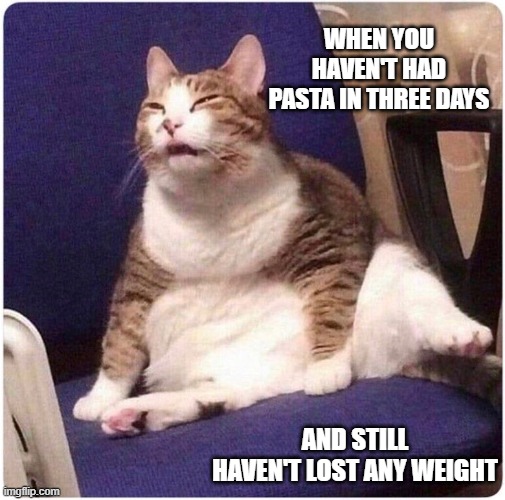
    life is pain | WHEN YOU HAVEN'T HAD PASTA IN THREE DAYS; AND STILL HAVEN'T LOST ANY WEIGHT | image tagged in fat cat,low carb,failure | made w/ Imgflip meme maker

    The Magic of Mindful Meal Tracking

    diet cartoon

    What the heck is mindful eating anyway?

    Mindful eating is basically the opposite of scrolling through Instagram while inhaling your dinner.

    It means actually paying attention to your food – savoring the taste, noticing the texture, appreciating the colors on your plate. It’s about tuning into your body’s real hunger and fullness signals without beating yourself up.

    Unlike dieting (which let’s be honest, usually means restricting and feeling miserable), mindful eating focuses on two key things:

    • Intention: Why am I eating right now?
    • Attention: How am I experiencing this food?

    This approach helps you figure out if you’re eating because you’re actually hungry or just bored, stressed, or saw a tasty-looking donut. According to research from Harvard Medical School, mindful eating can significantly improve your relationship with food.

    Why combine tracking with mindfulness?

    Tracking what you eat might sound like the opposite of being mindful and present, but they’re actually perfect partners. Here’s why:

    • You finally recognize actual hunger
      When you track mindfully, you start noticing the difference between true hunger and just wanting to eat because you’re bored or emotional.

    • You make way better food choices
      As you become more aware of what you’re eating, you naturally gravitate toward foods that make you feel good rather than just taste good for 3 seconds.

    • Portion control becomes natural
      No more mindlessly eating half a pizza. Tracking helps you realize what appropriate portions look like, while mindfulness helps you feel satisfied with them.

    • Your digestion actually improves
      Eating slowly and chewing thoroughly (hallmarks of mindful eating) helps your body process food better. One study in the Journal of Nutrition found that mindful eating significantly improved digestive symptoms.

    • Emotional eating takes a backseat
      Tracking helps identify patterns, while mindfulness gives you the pause button you need before diving face-first into comfort food.

    • Food becomes enjoyable again
      When you actually pay attention to what you’re eating, meals become an experience rather than just fuel.

    How to actually do this in real life

    diet cartoon
    1. Create a distraction-free zone
      Put down your phone (I know, I know). Turn off Netflix. Sit at an actual table. Take a deep breath before you start eating.

    2. Track consistently but not obsessively
      Use a tracking tool that doesn’t suck the joy out of eating. Text-based tracking makes this super easy – just shoot a quick text after you eat.

    3. Engage your senses while you eat
      Notice the colors on your plate. Smell your food before diving in. Chew slowly enough to actually taste what you’re eating. According to the American Journal of Clinical Nutrition, eating slowly leads to increased fullness and decreased energy intake.

    4. Check in with your body mid-meal
      On a scale of 1-10, how full are you? Aim to stop at about a 7 or 8, not stuffed to the point of discomfort.

    5. Reflect after eating
      How do you feel physically? Energized or sluggish? Satisfied or still searching for something? This reflection is gold for your tracking notes.

    The science backs this up

    diet cartoon

    This isn’t just feel-good advice – there’s solid research behind mindful eating combined with tracking. According to a review in Current Obesity Reports, mindful eating interventions show significant improvements in:

    • Binge eating behaviors
    • Emotional eating
    • External eating (eating just because food is there)
    • Body weight (for those looking to manage it)

    When you add tracking to this, you get the benefits of increased awareness plus objective data about your eating patterns.

    It’s like having both the emotional intelligence and the analytical smarts to tackle your relationship with food.

    Real talk: Tips for not messing this up

    diet cartoon
    • Start small – Don’t try to be mindful for every single meal. Begin with one meal a day.
    • Don’t turn tracking into judgment – You’re collecting data, not ammunition to beat yourself up.
    • Be consistent – The magic happens when you stick with it long enough to see patterns.
    • Celebrate wins – Notice when your digestion improves or when you actually enjoy a meal without distractions.

    The goal here isn’t perfection. It’s progress toward a healthier relationship with food that nourishes both your body and mind.

    By slowing down, appreciating your food, and thoughtfully tracking what you eat, you’re developing skills that will serve you for life.

    And unlike that crash diet you tried last January, this approach actually sticks because it’s about adding awareness, not restrictions.

    Want to make tracking super simple so you can focus on the mindfulness part?

    Check out how MealByMeal lets you text your meals instead of fiddling with complicated apps – because the easier tracking is, the more likely you’ll stick with it.

  • Best Meal Tracking Tips for Cholesterol Management

    Best Meal Tracking Tips for Cholesterol Management

    Ever felt like your cholesterol numbers are a mystery that only your doctor can solve?

    Tracking what you eat might be the missing piece to finally understanding – and improving – your cholesterol levels. And no, I’m not talking about becoming obsessed with every morsel that passes your lips.

    I’m talking about a practical approach to see what’s actually going into your body, so you can make small, sustainable changes that add up to big health wins.

    Let’s dive into how meal tracking can be your secret weapon for managing cholesterol, without driving yourself crazy in the process.

    cholestrol meme

    Why Tracking Your Meals Actually Matters for Your Cholesterol

    When it comes to managing cholesterol, what you don’t know absolutely can hurt you. Here’s why keeping tabs on your food intake is a game-changer:

    You can’t manage what you don’t measure. Most people have no idea how much saturated fat or dietary cholesterol they’re actually consuming until they start tracking. That bacon at breakfast, the cheese on your sandwich, and that buttery dessert all add up in ways you might not realize.

    Patterns emerge that surprise you. Maybe you’ll discover your weekend eating habits are sabotaging your weekday discipline. Or perhaps you’ll notice certain foods spike your hunger and lead to poor choices later.

    You’ll actually see results. Studies show that people who track their food intake are twice as likely to reach their health goals. There’s something powerful about seeing your progress (or lack thereof) in black and white.

    The Cholesterol Basics You Need to Know

    lamp line

    Before diving deeper, let’s get clear on what we’re tracking and why:

    LDL Cholesterol = The “bad” stuff that builds up in your arteries

    HDL Cholesterol = The “good” stuff that helps clear out the bad stuff

    Triglycerides = Another type of blood fat that can cause problems

    Total Cholesterol = The overall number your doctor looks at

    Foods high in saturated fats, trans fats, and dietary cholesterol tend to raise your LDL. Meanwhile, certain foods can actually help lower LDL and raise HDL. This is why what you eat matters so much.

    Key Food Strategies That Actually Work

    milk and flour art

    Don’t worry – managing cholesterol doesn’t mean eating like a rabbit for the rest of your life. Here’s what actually works:

    1. Fiber Is Your Friend

    Soluble fiber is cholesterol’s kryptonite. It literally binds to cholesterol particles in your digestive system and helps remove them before they can be absorbed. Aim for at least 25-30g of fiber daily.

    Foods to track and increase:

    • Oatmeal (the real stuff, not sugary instant packets)
    • Beans and lentils (powerhouses for heart health)
    • Apples, pears, and berries (eat the skin for maximum benefit)
    • Chia seeds and flaxseeds (easy to sprinkle on almost anything)

    One study found that just 5-10 grams of soluble fiber daily could lower LDL cholesterol by 5-11%. That’s huge!

    2. Fat Quality Matters More Than Quantity

    Not all fats are created equal. In fact, some are downright beneficial:

    Slash the saturated fats. These raise your LDL and are found in fatty meats, full-fat dairy, and tropical oils like coconut and palm oil.

    Eliminate trans fats completely. Check ingredients lists for “partially hydrogenated oils” – these are pure poison for your heart.

    Embrace healthy fats instead. Avocados, olive oil, nuts, and fatty fish like salmon contain monounsaturated and omega-3 fats that can actually improve your cholesterol profile.

    3. Go Plant-Forward (But Not Necessarily Vegan)

    Plant proteins can replace animal proteins often without you even noticing. Try swapping in beans, lentils, tofu, or tempeh for meat in some meals.

    Meatless Monday is an easy start. One day a week of plant-based eating gives your body a break from processing animal products.

    Think Mediterranean. This eating pattern has been proven to reduce heart disease risk by emphasizing plants, whole grains, seafood, and olive oil while limiting red meat.

    The Best Apps for Tracking Your Cholesterol-Friendly Diet

    smartphone

    If you’re serious about improving your cholesterol through diet, these tools can make the job much easier:

    General Nutrition Trackers with Cholesterol Features

    MyFitnessPal remains the heavyweight champion with its massive food database that tracks everything from calories to specific nutrients like cholesterol. The barcode scanner makes logging packaged foods a breeze.

    Cronometer is excellent for nutrition nerds who want to see micronutrients in detail. It’s more accurate than many other apps but has a steeper learning curve.

    FatSecret offers a clean interface and good community support while tracking all the essentials for cholesterol management.

    Specialized Heart Health Apps

    Heart & Stroke Helper App from the American Heart Association combines food tracking with medication management and other heart health features.

    Fooducate grades foods on an A-F scale and specifically flags heart-healthy options, making grocery shopping easier.

    The Simplest Option: Text-Based Tracking

    If app fatigue is real for you, MealByMeal.com offers a refreshingly simple approach. Just text your meals, and they track your calories and macros – including the fats that matter for cholesterol. No downloading, no password to remember, just text what you ate and get on with your life.

    Many people fail at tracking because traditional apps are too time-consuming. With text-based tracking, you’re more likely to stay consistent – and consistency is what gets results.

    How to Actually Stick With Meal Tracking (Without Losing Your Mind)

    question sign

    Let’s be real – tracking every bite forever isn’t sustainable for most people. Here’s how to make it work:

    Start With a 2-Week Challenge

    Commit to tracking everything for just two weeks to establish your baseline. You’ll be shocked at what you learn about your eating patterns.

    Focus on Problem Areas, Not Everything

    After your baseline period, you might choose to only track meals that typically contain high cholesterol foods rather than logging every single thing.

    Use the “Take a Picture First” Hack

    Before eating, snap a quick photo of your meal. This creates a moment of awareness and gives you a visual record even if you don’t formally log everything.

    Plan for “No Track” Days

    Give yourself permission to take breaks from tracking on special occasions. One untracked birthday dinner won’t ruin your cholesterol – but stressing about it might!

    Real Results from Real People

    Let me share a quick story. Mike, a 52-year-old client with borderline high cholesterol (total: 230), started tracking his meals using a simple text-based system. He didn’t drastically change his diet at first – just became aware of what he was eating.

    Within three weeks, he noticed patterns: his weekend beer and pizza routine was adding massive amounts of saturated fat to his weekly intake. He didn’t eliminate these foods but reduced the frequency and portion sizes.

    After three months, his cholesterol dropped to 198 without medication. Awareness alone created change.

    Another client, Sarah, discovered through tracking that her “healthy” morning muffin contained more saturated fat than a small burger. A simple breakfast swap to overnight oats with berries helped lower her LDL by 15 points in just over a month.

    The Bottom Line on Tracking for Cholesterol

    Tracking your meals isn’t about obsession or restriction – it’s about information and empowerment. When you know what’s actually going into your body, you can make informed choices that align with your health goals.

    Whether you choose a comprehensive app, a specialized heart health tracker, or a simple text-based service like MealByMeal.com, the important thing is finding a system you’ll actually stick with.

    Your future self – with better cholesterol numbers and a healthier heart – will thank you for the insight and effort you put in today.

    Remember: Every meal is an opportunity. Not for perfection, but for progress toward better health.